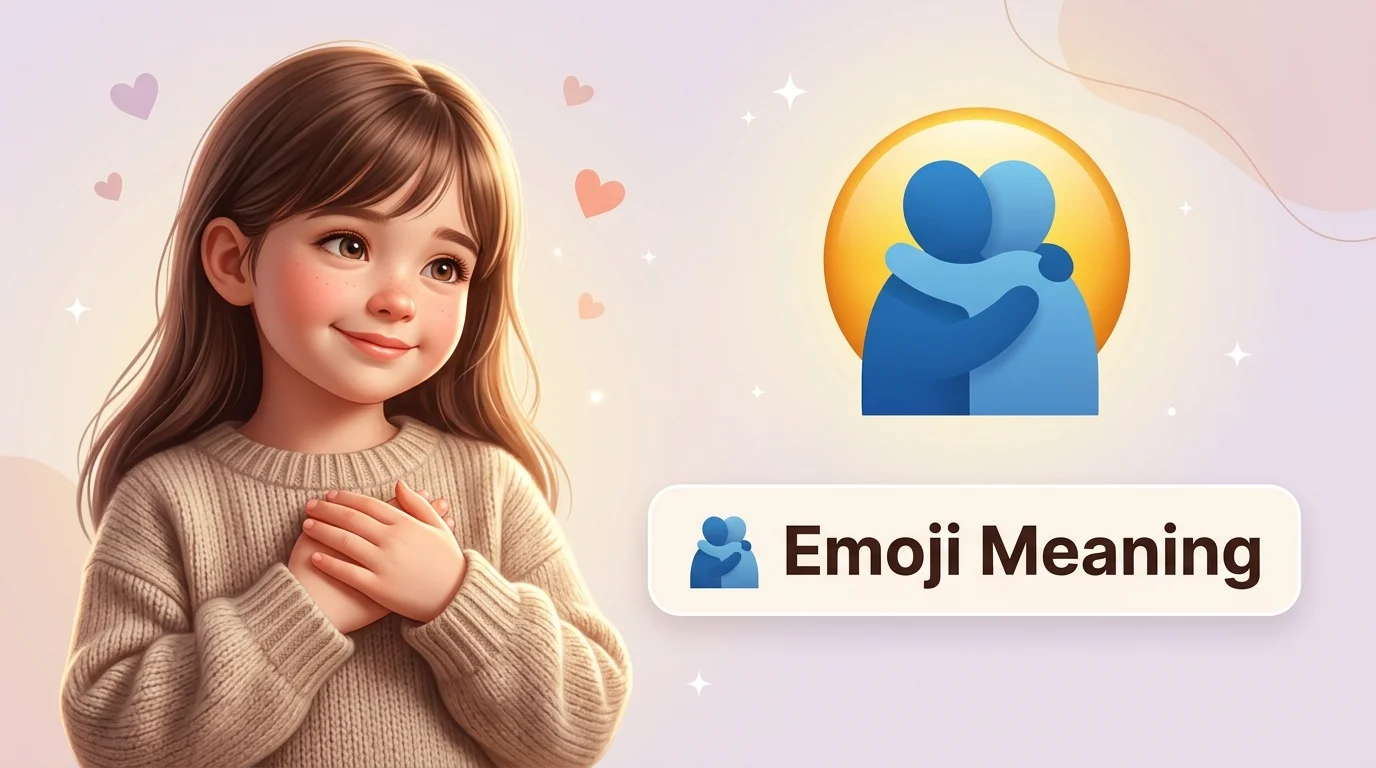
Sometimes a simple emoji can express emotions that words struggle to capture, and the 🫂 emoji is a perfect example. Known as the people hugging emoji, it commonly represents hugs, comfort, support, care, affection, and emotional warmth. People often use it in texts and social media when they want to show someone that they are there for them.
The 🫂 Emoji Meaning can vary depending on the conversation. A friend might send it to offer emotional support, while a family member may use it to express love and closeness. It can also appear after an apology, during an emotional conversation, or when someone wants to send a virtual hug from a distance.
If you’re wondering what the 🫂 emoji means in texting, context is important. It can communicate sympathy, encouragement, gratitude, friendship, or simple affection without necessarily having a romantic meaning. In this guide, we’ll explore the 🫂 emoji meaning, its common uses, emotional interpretations, and examples to help you understand exactly what it may mean in different conversations.
What Does the 🫂 Emoji Mean?
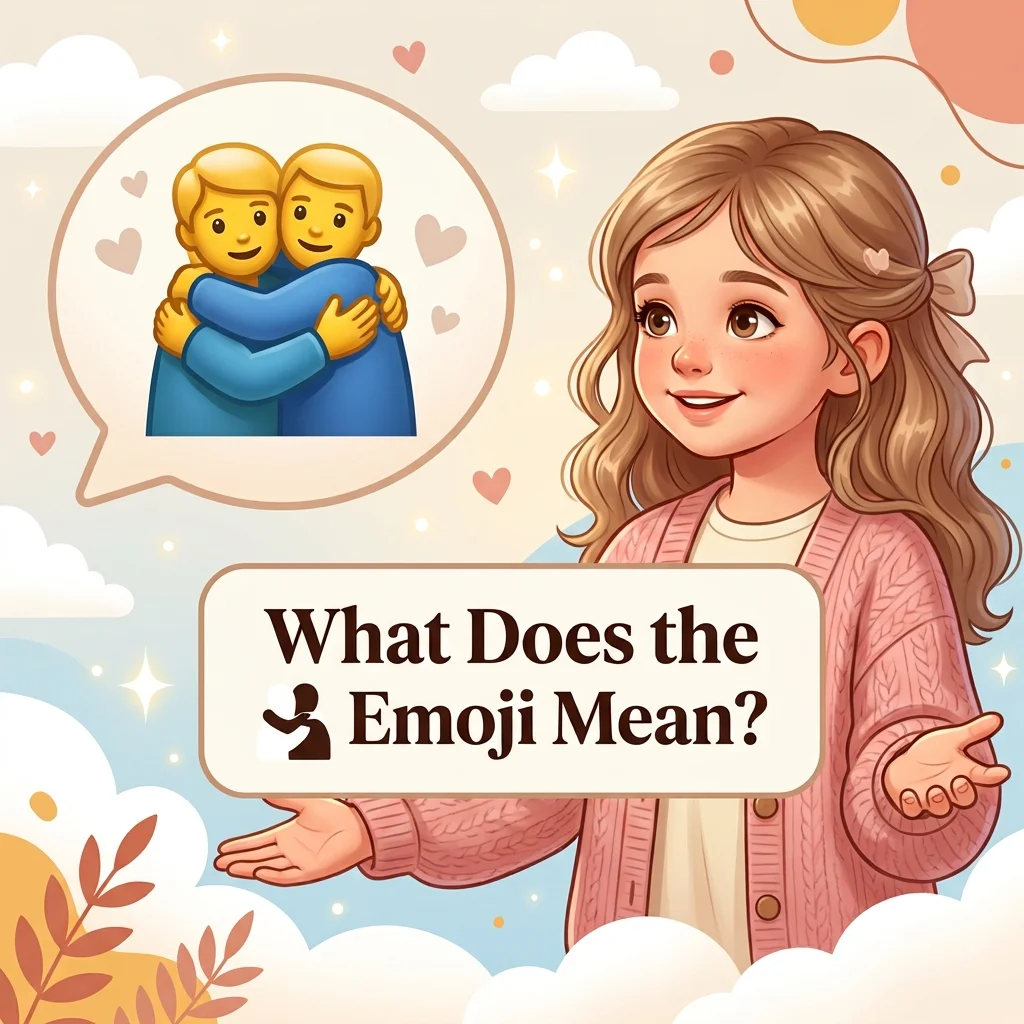
The 🫂 emoji means a hug, comfort, support, affection, or emotional closeness. It is often used when words alone do not fully express how someone feels.
The emoji can communicate messages such as:
- “Sending you a hug.”
- “I’m here for you.”
- “I care about you.”
- “Everything will be okay.”
- “I wish I could give you a hug.”
- “I’m happy for you.”
- “I miss you.”
- “You’re not alone.”
Unlike some emojis that have one dominant interpretation, 🫂 is highly dependent on context.
For instance:
“I’m sorry you’re going through this 🫂”
Here, the emoji most likely means emotional support and comfort.
On the other hand:
“Finally got to see you again! 🫂”
Here, it can represent happiness, affection, and the excitement of being reunited.
🫂 Emoji Meaning in Texting
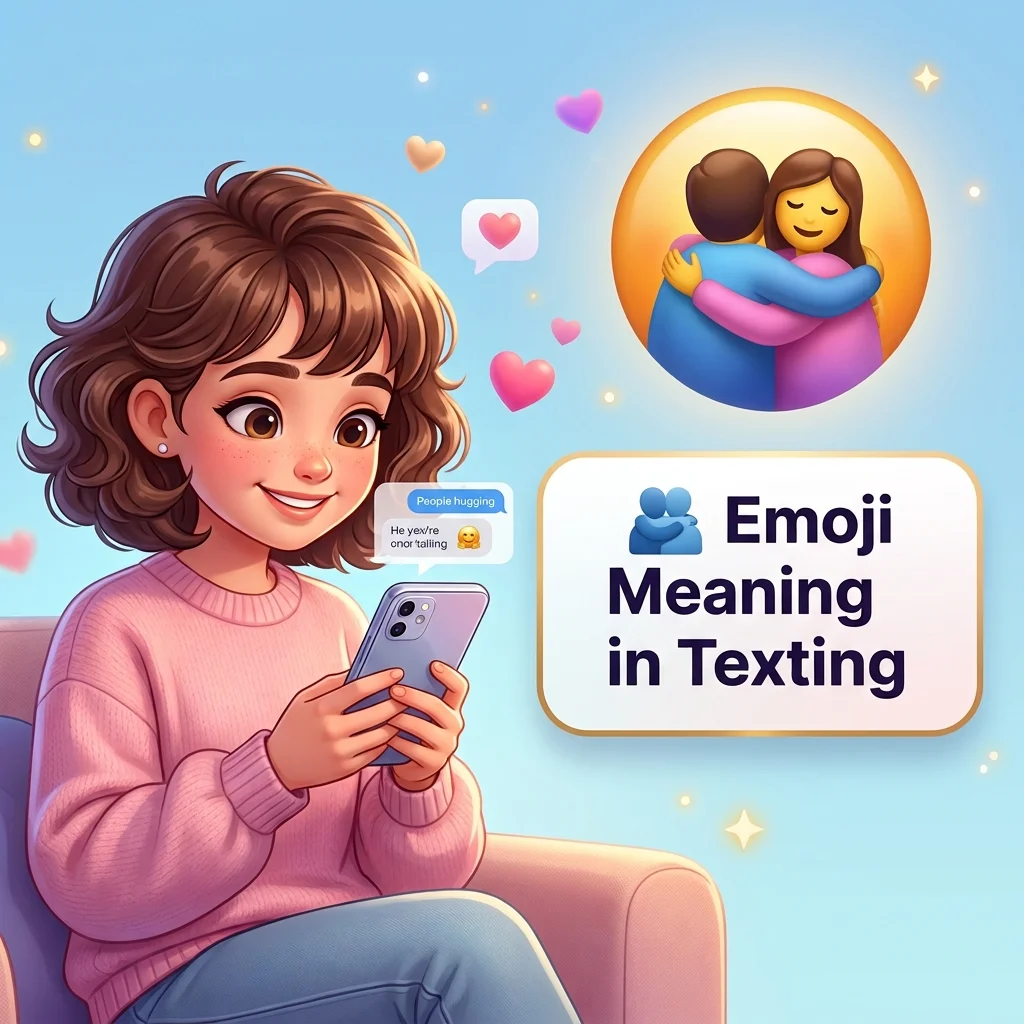
In texting, 🫂 usually represents a virtual hug. People use it when they want to show warmth or support but cannot physically hug the other person.
It is especially common during emotional conversations.
Common meanings of 🫂 in text messages
| Situation | Possible meaning |
| Someone is sad | Comfort and emotional support |
| Someone is stressed | “I’m here for you” |
| Saying goodbye | Affection or farewell |
| Someone shares good news | Happiness and warmth |
| Missing someone | “Sending you a hug” |
| Apologizing | Emotional reassurance |
| Romantic conversation | Affection and closeness |
| Friendship conversation | Care and friendship |
| Difficult situation | Encouragement and support |
The important thing is not to interpret 🫂 in isolation. Read the words around it to understand what the sender probably means.
What Does 🫂 Mean From a Girl?
If a girl sends you 🫂, it generally means she is expressing warmth, comfort, care, or affection. However, the emoji alone does not prove romantic interest.
For example:
“Don’t worry, everything will work out 🫂”
This is most naturally interpreted as emotional support.
But:
“I really miss you 🫂”
may communicate stronger emotional closeness.
The relationship between you and the sender matters. A close friend, family member, romantic partner, or casual acquaintance can all use the same emoji differently.
Does 🫂 mean she likes you?
Not necessarily.
The 🫂 emoji can indicate affection, but it is not reliable evidence of romantic feelings by itself. Look at the broader conversation and the person’s behavior rather than assigning a romantic meaning to one emoji.
What Does 🫂 Mean From a Guy?
When a guy sends 🫂, it can similarly mean support, friendship, comfort, affection, or a virtual hug.
For example:
“Bro, I know things are tough right now 🫂”
This is clearly supportive.
Another example:
“Miss you too 🫂”
Here, it may show emotional closeness.
Again, the surrounding conversation is more important than the emoji itself.
🫂 Emoji Meaning From a Friend
Among friends, 🫂 often means friendship, emotional support, appreciation, or a virtual hug.
Friends might use it when:
- One person is having a difficult day.
- Someone needs encouragement.
- They are celebrating something together.
- They are saying goodbye.
- They want to show appreciation.
- They are discussing an emotional experience.
For example:
“You’ve got this! 🫂”
The sender is probably encouraging their friend and showing support.
Another example:
“I’m always here if you need me 🫂”
This communicates care and emotional availability.
🫂 Emoji Meaning From Someone You Like
When someone you like sends 🫂, it can feel more meaningful because hugs can represent physical and emotional closeness.
However, 🫂 does not automatically mean “I love you” or “I want a relationship.”
Its meaning can range from:
- Friendly affection
- Emotional comfort
- Missing someone
- Romantic affection
- Reassurance
- A desire for closeness
Consider the full message.
For example:
“Wish you were here right now 🫂”
can sound more intimate than:
“Good luck on your exam 🫂”
The first suggests a desire for closeness, while the second is primarily supportive.
🫂 Emoji Meaning in Love and Relationships
In romantic relationships, 🫂 can represent love, affection, emotional security, closeness, and comfort.
Partners may use it when they are physically apart or when they want to express affection through text.
Examples include:
- “I miss you so much 🫂”
- “Come here, you need a hug 🫂”
- “I’m always here for you 🫂”
- “Goodnight, love 🫂”
- “I wish I could hold you right now 🫂”
The emoji can therefore act like a digital version of a real hug.
Is 🫂 a romantic emoji?
It can be romantic, but it is not exclusively romantic.
Its meaning depends on:
- The relationship between the people.
- The wording of the message.
- The situation.
- Other emojis used with it.
- The overall tone of the conversation.
So, a 🫂 from a romantic partner and a 🫂 from a best friend can have very different emotional meanings.
🫂 Emoji Meaning in a Sad Conversation
One of the most common uses of 🫂 is during difficult or sad conversations.
If someone tells you:
“I’ve been having a really hard week.”
You might respond:
“I’m sorry you’re dealing with that 🫂”
Here, 🫂 works almost like saying “I wish I could give you a hug.”
It can communicate compassion without making the conversation overly complicated.
Examples of supportive uses
- “I’m sorry for your loss 🫂”
- “Take care of yourself 🫂”
- “You don’t have to go through this alone 🫂”
- “I’m here whenever you need me 🫂”
- “Sending you lots of love and hugs 🫂”
In these situations, the emoji usually carries a comforting rather than romantic meaning.
🫂 Emoji Meaning on Social Media
On social media, 🫂 is often used in comments, captions, replies, and direct messages.
People may use it to react to emotional posts or show support for someone going through a difficult experience.
For example:
“Sending you hugs and positive thoughts 🫂”
or:
“So proud of you! You deserve this 🫂”
On social platforms, the emoji can also make a short comment feel warmer and more personal.
🫂 Emoji Meaning on Instagram
On Instagram, 🫂 can appear in:
- Comments
- Direct messages
- Stories
- Captions
- Replies
Its meaning depends heavily on the post or conversation.
Someone commenting “🫂” on a sad post may be expressing sympathy.
Someone commenting “You did it! 🫂❤️” may be celebrating the person’s achievement while showing affection.
🫂 Emoji Meaning on TikTok
On TikTok, users may use 🫂 in comments or messages to show emotional support.
For example, if someone posts about a difficult experience, viewers might comment:
“Sending you a virtual hug 🫂”
It can also be combined with other emojis to strengthen the emotional tone.
Examples include:
- 🫂❤️ — hugs and love
- 🫂🤍 — gentle support and affection
- 🫂🥺 — emotional or sympathetic hug
- 🫂✨ — warm encouragement or positivity
The exact interpretation still depends on the context.
What Does 🫂 Mean From Your Crush?
If your crush sends 🫂, it may indicate that they feel comfortable showing warmth or affection toward you. But it should not automatically be interpreted as a confession of romantic interest.
Compare these messages:
“Good luck today 🫂”
This is supportive but not necessarily romantic.
“I wish I could hug you right now 🫂”
This suggests more personal closeness.
“I miss being with you 🫂❤️”
This expresses stronger affection, especially when combined with the heart emoji.
The words surrounding the emoji provide much more information than 🫂 alone.
🫂 vs 🤗: What Is the Difference?
The 🫂 and 🤗 emojis can both communicate warmth and affection, but they have different visual meanings.
| Emoji | Common meaning |
| 🫂 | Hugging, emotional support, closeness |
| 🤗 | Happy hug, warmth, friendliness, welcoming |
| ❤️ | Love, affection, strong appreciation |
| 🥺 | Emotional, pleading, vulnerability |
| 🤍 | Gentle affection, care, support |
| 🫶 | Love, appreciation, support |
🫂 vs 🤗
The 🫂 emoji visually represents two people hugging.
The 🤗 emoji is a smiling face with open hands and is often interpreted as an invitation to hug or an expression of warmth.
For example:
“Thank you for helping me 🫂”
feels like a direct virtual hug.
“Thank you so much 🤗”
feels more cheerful and friendly.
🫂 vs ❤️: What Is the Difference?
The ❤️ emoji directly communicates love, affection, or strong appreciation.
The 🫂 emoji focuses more on physical comfort and emotional support.
For example:
“I’m here for you 🫂”
emphasizes support.
“I love you ❤️”
directly communicates romantic or deep affection.
Of course, people can combine them:
“I’m always here for you 🫂❤️”
This can communicate both comfort and affection.
🫂 vs 🫶: What Is the Difference?
The 🫶 emoji shows hands forming a heart and commonly represents love, appreciation, support, or affection.
The 🫂 emoji is more specifically associated with hugging and comfort.
For example:
- 🫂 = “Sending you a hug.”
- 🫶 = “Sending you love.”
- 🫂🫶 = “Sending you hugs and love.”
Common Ways to Use the 🫂 Emoji
Here are some natural ways to use 🫂 in everyday conversations.
1. To comfort someone
“I know you’re going through a lot. I’m here for you 🫂”
2. To send a virtual hug
“Wish I could be there with you 🫂”
3. To show affection
“Take care of yourself 🫂”
4. To support a friend
“You’ll get through this. Stay strong 🫂”
5. To express that you miss someone
“I miss you so much 🫂”
6. To celebrate someone
“You worked so hard for this! Congratulations 🫂”
7. To respond to an emotional message
“That sounds really difficult 🫂”
How to Reply to the 🫂 Emoji
Your response should match the emotional tone of the conversation.
If someone sends you 🫂 as a supportive gesture, you can reply with:
- “Thank you 🫂”
- “Sending one back 🫂”
- “I really needed that 🥺🫂”
- “You’re so sweet ❤️”
- “Big hug back 🫂”
- “I appreciate you 🫂”
If the conversation is romantic, you could respond more affectionately:
“Wish I could hug you too 🫂❤️”
If it is a casual friendship, something simple such as “Hug back 🫂” works naturally.
Does 🫂 Always Mean a Physical Hug?
No. The emoji represents hugging, but it does not always mean that the sender literally wants to hug you.
It can symbolize:
- Emotional support
- Sympathy
- Care
- Friendship
- Affection
- Encouragement
- Reassurance
- Missing someone
- Emotional closeness
Think of it as a visual way to communicate warmth.
Is 🫂 a Good Emoji to Send?
Yes, especially when you want your message to sound caring and supportive.
It works particularly well when someone is:
- Sad
- Nervous
- Stressed
- Excited
- Missing someone
- Celebrating an achievement
- Going through a difficult situation
However, context still matters. A very formal conversation may not be the best place for a casual emoji.
Common Mistakes When Interpreting 🫂
Assuming it always means romance
A hug can be romantic, but it can also be completely platonic.
Ignoring the message
Do not interpret the emoji without considering the words around it.
Treating every emoji combination the same way
🫂❤️ can feel more affectionate than 🫂 alone, while 🫂🥺 may feel more emotional or vulnerable.
Overanalyzing one emoji
If you are trying to understand someone’s feelings, look at the overall conversation rather than relying on a single symbol.
🫂 Emoji Combinations and Their Meanings
Emoji combinations can slightly change the tone of a message.
| Combination | Common interpretation |
| 🫂❤️ | Hug and love |
| 🫂🤍 | Gentle care and support |
| 🫂🥺 | Emotional or comforting hug |
| 🫂🫶 | Hugs, love, and appreciation |
| 🫂✨ | Warm encouragement |
| 🫂😊 | Happy, friendly hug |
| 🫂😭 | Emotional support or sympathy |
These are general interpretations rather than fixed definitions. People can use the same combination differently depending on the conversation.
Examples of 🫂 in Real Text Conversations
Example 1: Supporting a friend
Friend: “I failed my exam and feel terrible.”
You: “Don’t be too hard on yourself. You can try again 🫂”
Here, 🫂 expresses comfort and encouragement.
Example 2: Missing someone
Person A: “I wish you were here.”
Person B: “Me too 🫂”
Here, the emoji represents closeness and a virtual hug.
Example 3: Romantic affection
Person A: “I can’t wait to see you.”
Person B: “Neither can I 🫂❤️”
The combination communicates affection and emotional closeness.
Example 4: Friendship
Friend: “Thanks for always listening to me.”
You: “Anytime! 🫂”
Here, it expresses friendship and appreciation.
Example 5: Sympathy
Person A: “It has been a really difficult month.”
Person B: “I’m sorry. Sending you a big hug 🫂”
The emoji reinforces sympathy and emotional support.
Frequently Asked Questions
1. What does the 🫂 emoji mean?
The 🫂 emoji usually means a hug, comfort, emotional support, affection, or closeness. It is often used as a virtual hug in text conversations.
2. Is 🫂 a romantic emoji?
It can be romantic, but it is not exclusively romantic. Friends, family members, and romantic partners can all use it.
3. What does 🫂 mean from a girl?
It commonly expresses care, support, affection, or a virtual hug. It does not automatically mean that she has romantic feelings.
4. What does 🫂 mean from a guy?
It can mean friendship, support, affection, comfort, or emotional closeness. The surrounding conversation determines the most likely interpretation.
5. What does 🫂 mean in texting?
In texting, 🫂 commonly represents a virtual hug. Someone may send it to comfort you, support you, show affection, or express that they wish they could hug you.
6. What is the difference between 🫂 and 🤗?
🫂 specifically depicts people hugging and often emphasizes comfort or emotional closeness. 🤗 is a smiling face with open hands and often feels more cheerful, welcoming, or friendly.
7. How should I reply to 🫂?
You can reply with “Thank you 🫂,” “Hug back 🫂,” or another supportive emoji. If the conversation is romantic, you can add an affectionate emoji such as ❤️.
Conclusion
The 🫂 emoji meaning is centered around hugs, comfort, care, support, and emotional connection. It is one of the most useful emojis for expressing feelings that can be difficult to put into words. Whether someone sends it to comfort you, celebrate with you, show friendship, or express affection, it generally adds warmth to the conversation.
However, 🫂 does not have one fixed meaning in every situation. A friend may use it as a simple virtual hug, while a romantic partner may use it to express deeper affection. The best way to understand it is to consider the sender, your relationship, the surrounding words, and the overall tone of the conversation.

I am Ethan Carter, a passionate writer dedicated to creating informative, engaging, and valuable content for readers around the world. I focus on delivering well-researched articles that provide clear insights, practical tips, and helpful solutions. With a strong interest in exploring new ideas and sharing knowledge, I aim to make every piece of content easy to understand and useful for my audience.