A playful emoji can instantly change the mood of a conversation, and the tongue emoji is a perfect example. 😛 Whether someone is joking around, teasing a friend, or simply trying to sound playful, a tongue emoji can add a fun and carefree tone to an otherwise ordinary message.
The Tongue Emoji Meaning usually relates to silliness, teasing, joking, or playful behavior. Depending on the context, it can also show that someone is being cheeky, making fun of a situation, or not taking their words too seriously. However, the exact meaning can change based on the specific tongue emoji and the relationship between the people chatting.
In this guide, you’ll learn what the tongue emoji means in texting, social media, friendships, and relationships. We’ll also explore common interpretations of 😛 and provide simple examples to help you understand how people use this playful emoji in everyday conversations.
What Does the Tongue Emoji Mean?
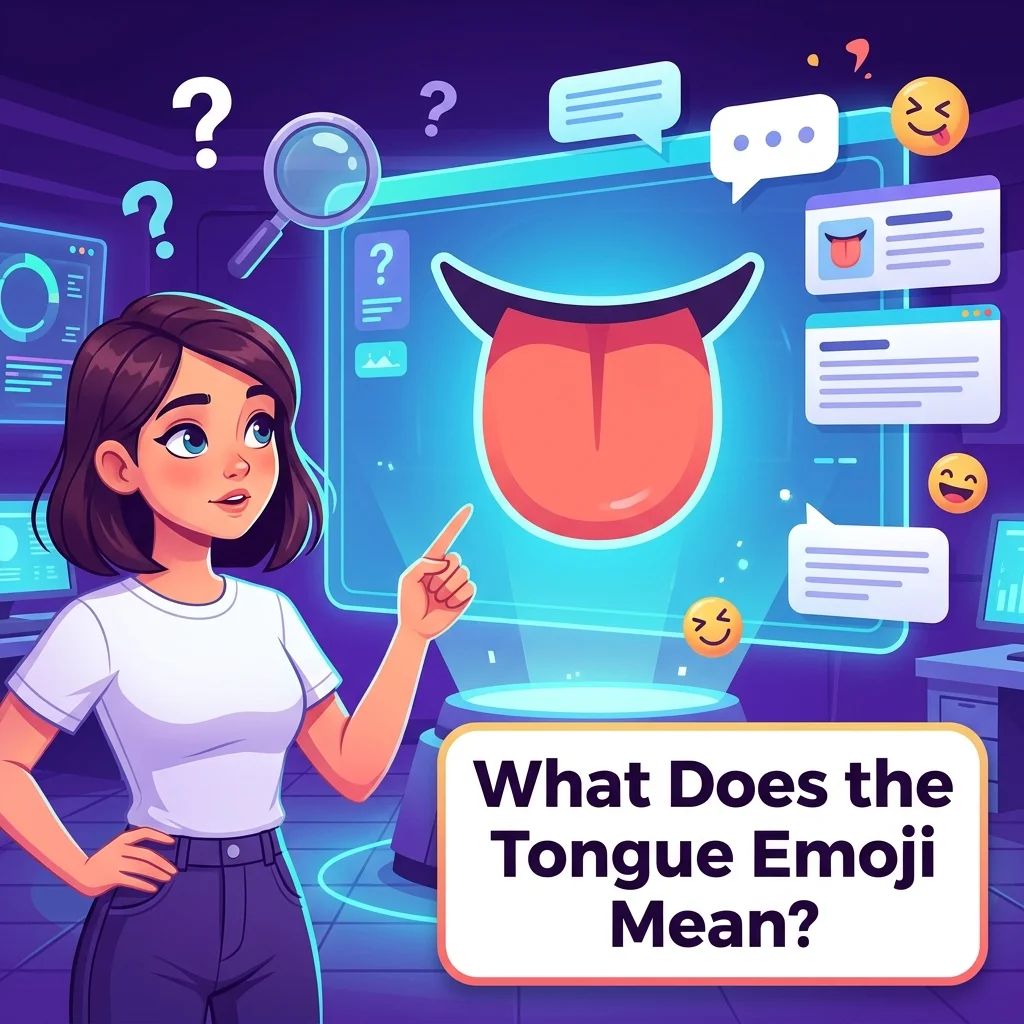
The tongue emoji generally represents playfulness, silliness, teasing, joking, or a lighthearted mood.
The most common tongue emoji is 😛, officially represented as a face with tongue. It is often used when someone wants to show that they are joking rather than speaking seriously.
For example:
“I ate the last piece of cake 😛”
Here, the emoji makes the statement feel playful and mischievous rather than rude.
Depending on the context, a tongue-out emoji can communicate:
- Playfulness
- Joking
- Teasing
- Being silly
- Mischief
- Excitement
- Having fun
- Light embarrassment
- Goofiness
- A playful response to someone
The exact meaning depends heavily on the surrounding message.
😛 Tongue Emoji Meaning
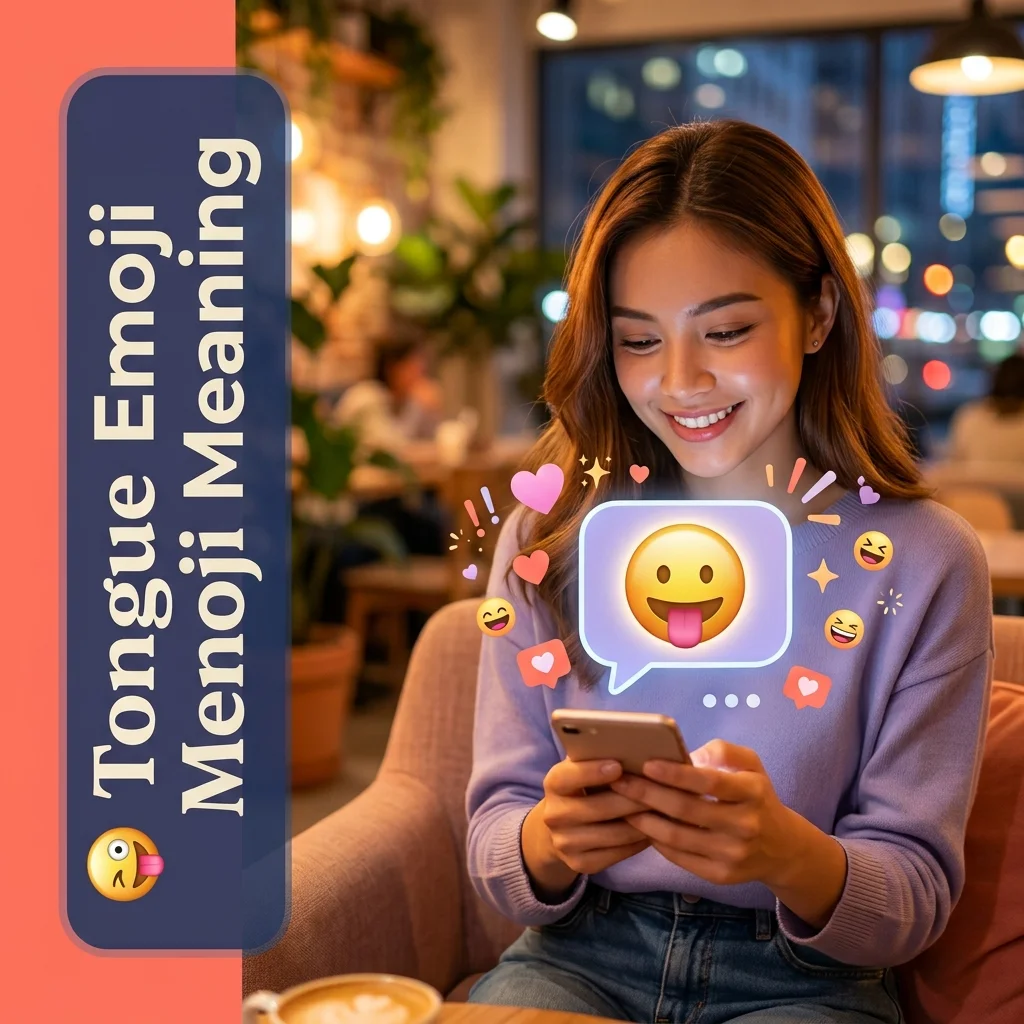
The 😛 emoji usually means playful teasing, silliness, joking, or acting goofy.
Someone might use it after making a silly comment or teasing a friend.
Examples of 😛 in Texting
“You are so slow 😛”
This could be friendly teasing rather than a serious insult.
“I told you I was right 😛”
The person may be playfully celebrating being correct.
“I’m taking the last cookie 😛”
This gives the message a mischievous and humorous tone.
What Does 😛 Mean From a Girl?
If a girl sends 😛, it does not have one fixed meaning. She may simply be joking, teasing, or being playful.
For example:
“Stop making me laugh 😛”
This is generally a lighthearted message.
If the conversation is romantic, the same emoji could add a flirty or playful tone, but the emoji alone does not prove romantic interest.
What Does 😛 Mean From a Guy?
A guy using 😛 may be trying to sound playful, silly, or teasing.
For example:
“I knew you would say that 😛”
The emoji makes the message feel less serious and more humorous.
Again, context matters more than the emoji itself.
😝 Tongue Emoji Meaning
The 😝 emoji is commonly associated with silly behavior, playful exaggeration, teasing, or joking around.
Compared with 😛, 😝 often looks more exaggerated and energetic.
It can communicate something like:
- “I’m just kidding!”
- “I’m being silly.”
- “Don’t take me seriously.”
- “I’m teasing you.”
- “That was funny!”
Examples
“You actually believed me 😝”
This suggests playful teasing.
“I can’t stop laughing 😝”
This can express exaggerated silliness or excitement.
“You’re ridiculous 😝”
Depending on the conversation, this can be affectionate teasing rather than criticism.
😜 Tongue Emoji Meaning
The 😜 emoji is the winking face with tongue. It usually adds playfulness, joking, teasing, or mischievous humor.
The wink makes it slightly different from 😛 because it can suggest that the sender knows they are being cheeky.
For example:
“I totally didn’t eat your fries 😜”
The sender is probably joking or pretending innocence.
Is 😜 Flirty?
Sometimes, yes.
In a romantic or playful conversation, 😜 can make a message sound flirtatious or cheeky.
For example:
“Maybe I’ll tell you later 😜”
The emoji can add a teasing tone.
However, 😜 does not automatically mean flirting. Friends can use it with no romantic meaning at all.
😋 Tongue Emoji Meaning
The 😋 emoji is different from 😛 and 😜. It is generally associated with tasty food, deliciousness, enjoyment, or satisfaction.
It can mean:
- “This is delicious.”
- “Yum!”
- “That looks tasty.”
- “I’m enjoying this.”
- “I want that.”
For example:
“This pizza is amazing 😋”
Here, the emoji clearly relates to enjoying food.
It can also occasionally be used playfully outside food-related conversations, but its most common meaning is connected to something delicious.
😝 vs 😛 vs 😜 vs 😋
These emojis look similar, but their meanings are not identical.
| Emoji | Common Meaning | Typical Tone |
| 😛 | Tongue out, playful teasing | Light and silly |
| 😝 | Exaggerated silliness | Energetic and goofy |
| 😜 | Winking tongue-out face | Cheeky and teasing |
| 😋 | Enjoying something tasty | Food-related and happy |
Understanding these differences can make texting much easier.
Why Do People Use Tongue Emojis in Text Messages?
Text messages do not include facial expressions or voice tone. Because of this, a sentence can sometimes sound harsher or more serious than intended.
For example:
“You’re inexplicable.”
Depending on the situation, this could sound insulting.
But:
“You’re inexplicable 😛”
can feel much more playful.
Tongue emojis help add emotional context to short messages.
People often use them to:
- Make a joke clearer.
- Show that they are teasing.
- Make a message feel less serious.
- Express silliness.
- Add personality to a conversation.
- Create a playful mood.
- Respond to friendly teasing.
Tongue Emoji Meaning in Texting
In texting, the tongue emoji often means “I’m just joking,” “I’m being playful,” or “I’m teasing you.”
Consider this example:
Person A: “You owe me ice cream.”
Person B: “Dream on 😛”
The 😛 suggests that Person B is responding playfully.
Without the emoji, “Dream on” might sound more dismissive. With the emoji, it can sound like friendly banter.
Tongue Emoji Meaning From a Girl
When a girl sends a tongue-out emoji, the meaning depends on the conversation.
It could indicate:
- She is joking.
- She is teasing you.
- She feels comfortable being silly.
- She is responding playfully.
- She is trying to make the conversation less serious.
- In some contexts, she may be flirting.
For example:
“You’re impossible 😛”
This could simply be playful teasing between friends.
If the conversation already has a romantic tone, the same emoji may contribute to that playful atmosphere. However, you should consider the entire conversation instead of interpreting one emoji by itself.
Tongue Emoji Meaning From a Guy
A guy may use a tongue-out emoji to show that he is:
- Joking
- Teasing
- Being goofy
- Acting mischievously
- Keeping the conversation casual
- Responding to a playful comment
For example:
“I beat you again 😝”
The emoji emphasizes the playful nature of the message.
It does not necessarily indicate flirting.
Is the Tongue Emoji Flirty?
A tongue emoji can be flirty, but it is not inherently sexual or romantic.
The surrounding conversation is important.
More likely playful
“I finished your snacks 😛”
This is probably simple teasing.
Potentially flirty
“Maybe you’ll find out later 😜”
In a romantic conversation, this could sound cheeky or flirtatious.
Why context matters
The same emoji can have completely different meanings depending on:
- Who sent it
- Who received it
- What was said before it
- Your relationship
- The overall tone
- Other emojis used
- Whether the conversation is friendly or romantic
Therefore, it is better to interpret the emoji as part of the complete message.
Can the Tongue Emoji Have a Sexual Meaning?
In some adult conversations, tongue-out emojis can be interpreted as suggestive or sexual. However, that is not their standard meaning.
Most everyday uses are simply playful, silly, teasing, or humorous.
For example:
“That cake was so good 😋”
has an obvious food-related meaning.
Likewise:
“You can’t beat me 😛”
is normally playful teasing.
If an emoji appears in a suggestive conversation, its meaning can change because context influences interpretation.
Tongue Emoji Meaning on Social Media
On platforms such as Instagram, TikTok, Snapchat, and Facebook, tongue-out emojis are commonly used to make captions and comments feel more playful.
For example:
“Weekend mode 😛”
This can suggest a fun, carefree mood.
“Don’t ask 😂😝”
This may indicate that the person is joking about something.
“Pizza night 😋”
Here, 😋 clearly expresses enjoyment of food.
Social media users often combine tongue emojis with other emojis to strengthen the intended mood.
Tongue Emoji Meaning in Snapchat
On Snapchat, 😛, 😝, and 😜 may appear in casual conversations between friends or romantic partners.
The meaning is usually based on the message around it.
For example:
“You didn’t see that 😜”
can sound cheeky or secretive.
“I got there first 😛”
can suggest friendly competition.
Snapchat conversations often move quickly, so emojis can help communicate tone without requiring a longer explanation.
Tongue Emoji Meaning in TikTok Comments
In TikTok comments, tongue-out emojis can be used to show that someone is joking, being playful, or reacting to entertaining content.
For example:
“You really did that 😝”
could express amusement.
Or:
“That looks so good 😋”
would usually indicate that something looks delicious.
The context of the video and the comment is important when interpreting the emoji.
How to Respond to a Tongue Emoji
Your response should match the tone of the conversation.
If someone is teasing you
You could respond playfully:
“Just wait 😜”
If they are joking
You might reply:
“Haha, very funny 😂”
If they are being silly
You can match their energy:
“You’re so weird 😛”
If you’re unsure
You can simply continue the conversation normally rather than trying to assign a deeper meaning to the emoji.
Common Misunderstandings About Tongue Emojis
Tongue-out emojis are easy to misunderstand because their meaning is flexible.
Mistake 1: Assuming it always means flirting
A tongue emoji can be flirtatious in certain contexts, but it is frequently used between friends.
Mistake 2: Assuming it always has a sexual meaning
Most everyday uses are not sexual. They often communicate humor, silliness, or teasing.
Mistake 3: Ignoring the specific emoji
😛, 😝, 😜, and 😋 have different expressions and common uses.
Mistake 4: Looking at the emoji without the message
The words surrounding an emoji are usually more informative than the emoji alone.
Tongue Emoji vs Smiling Emoji
A regular smiling emoji such as 🙂 generally communicates friendliness or positivity.
A tongue-out emoji adds a stronger sense of playfulness or silliness.
Compare:
“Okay 🙂”
This sounds calm and friendly.
“Okay 😛”
This sounds more playful or teasing.
“Okay 😜”
This can sound cheeky or mischievous.
The small visual difference can significantly change the tone of a text.
Tongue Emoji Combinations and Their Meanings
People often combine emojis to communicate a more specific feeling.
😛😂
Usually suggests joking or laughing while being playful.
😜😉
Can create a cheeky or teasing tone.
😝😂
Often expresses exaggerated silliness or laughter.
😋🍕
Usually means enjoying or craving pizza.
😋🍔
Can mean that a burger looks delicious or that the person enjoyed one.
Remember that emoji combinations are informal and their interpretation can vary between people.
When Should You Use a Tongue Emoji?
Tongue emojis work well when the conversation is already casual.
You can use them when:
- Teasing a close friend
- Making a joke
- Responding to playful banter
- Talking about something funny
- Showing a silly mood
- Talking about delicious food with 😋
- Adding personality to casual messages
They may be less appropriate in formal situations such as professional emails, official messages, or serious discussions.
Tips for Understanding Emoji Meaning
If you’re trying to understand what someone means by a tongue emoji, look at the complete context.
Ask yourself:
- What did they say before the emoji?
- What is your relationship with the person?
- Which tongue emoji did they use?
- Are they normally playful when texting?
- Are there other emojis in the message?
- Is the conversation friendly, romantic, humorous, or serious?
These clues can help you understand the intended tone more accurately.
Frequently Asked Questions
1. What is the tongue emoji meaning?
The tongue emoji usually means playfulness, silliness, teasing, joking, or a lighthearted mood. Its exact meaning depends on the conversation.
2. What does 😛 mean in texting?
😛 commonly means that someone is being playful, silly, or teasing. It can also make a potentially serious statement sound more humorous.
3. What does 😜 mean from a girl?
😜 may mean that she is joking, teasing, or being cheeky. In a romantic conversation, it can sometimes add a flirty tone, but it does not automatically indicate attraction.
4. Is 😛 a flirty emoji?
It can be used flirtatiously, but its most common meanings are playful teasing and silliness. The surrounding conversation determines whether flirting is intended.
5. What is the difference between 😛 and 😋?
😛 usually represents playfulness or teasing, while 😋 commonly expresses enjoyment of tasty food or something delicious.
6. What does 😝 mean in texting?
😝 usually communicates exaggerated silliness, playful teasing, joking, or an energetic goofy mood.
7. Can tongue emojis have different meanings?
Yes. Tongue emojis can communicate different emotions depending on the specific emoji, the words around it, the relationship between the people, and the overall conversation.
Conclusion
The tongue emoji meaning is generally connected with playfulness, teasing, silliness, joking, and having fun. However, different tongue-out emojis can carry slightly different tones. 😛 is commonly playful, 😝 is more exaggerated and goofy, 😜 adds a cheeky or teasing wink, while 😋 is usually connected with enjoying delicious food.
Most importantly, don’t interpret a tongue emoji in isolation. The message, relationship, and conversation style all help determine what the sender intended. When you consider the complete context, these emojis become much easier to understand.

I am Ethan Carter, a passionate writer dedicated to creating informative, engaging, and valuable content for readers around the world. I focus on delivering well-researched articles that provide clear insights, practical tips, and helpful solutions. With a strong interest in exploring new ideas and sharing knowledge, I aim to make every piece of content easy to understand and useful for my audience.