You’ve seen it pop up in texts, Instagram captions, TikTok comments, and heated Twitter threads. That brightly painted face with the red nose and wild hair looks cheerful at first glance. Yet when someone drops 🤡 after your message, the vibe can shift from playful to cutting in a second.
Understanding the clown emoji meaning has become part of everyday digital literacy. Emojis no longer just decorate messages, they carry tone, judgment, and cultural shorthand that can change how people read your words. Miss the nuance and a light joke can land as an insult, or a self-roast can come across as weirdly aggressive.
People search for this emoji because they want clarity. Did that reply mean “you’re being silly” or “you’re an absolute fool”? Is the sender laughing with you or at you? The answer depends heavily on context, platform, and relationship.
What Does the Clown Emoji Actually Mean?
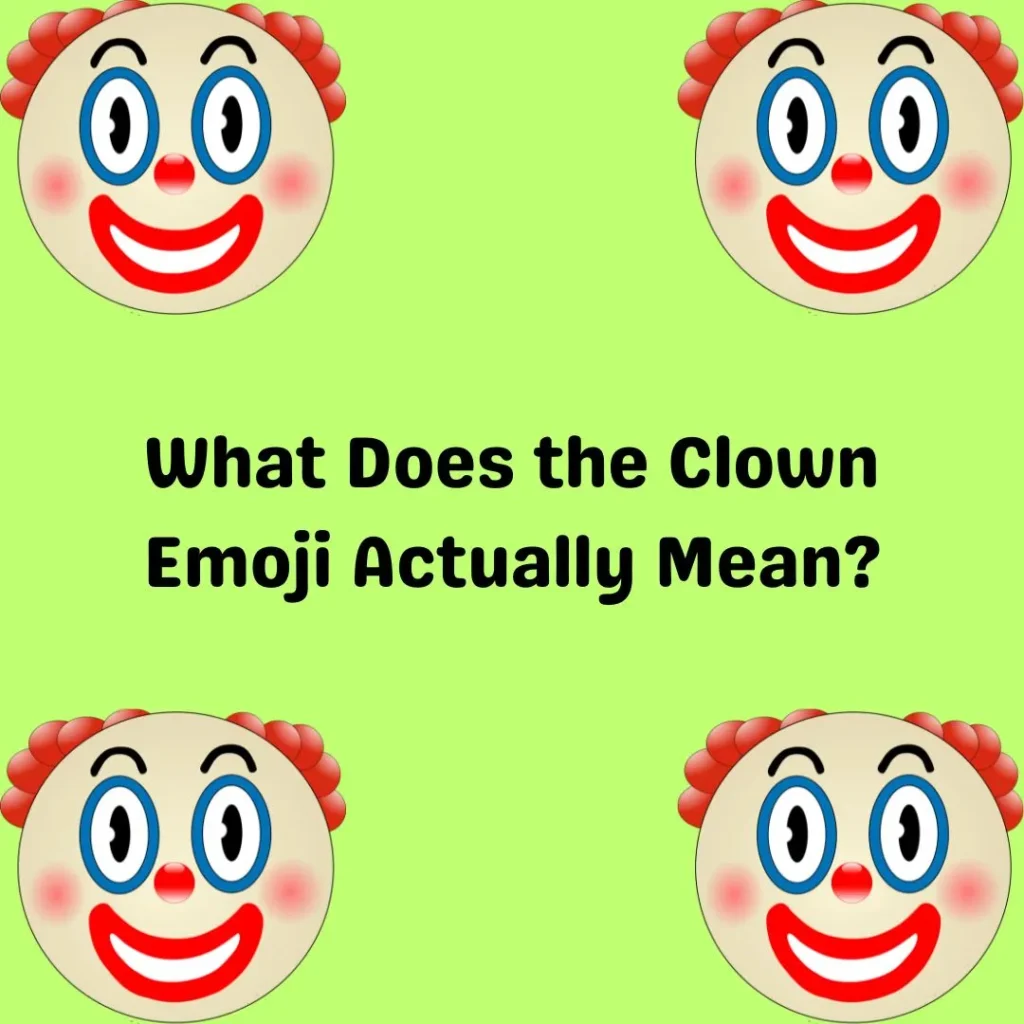
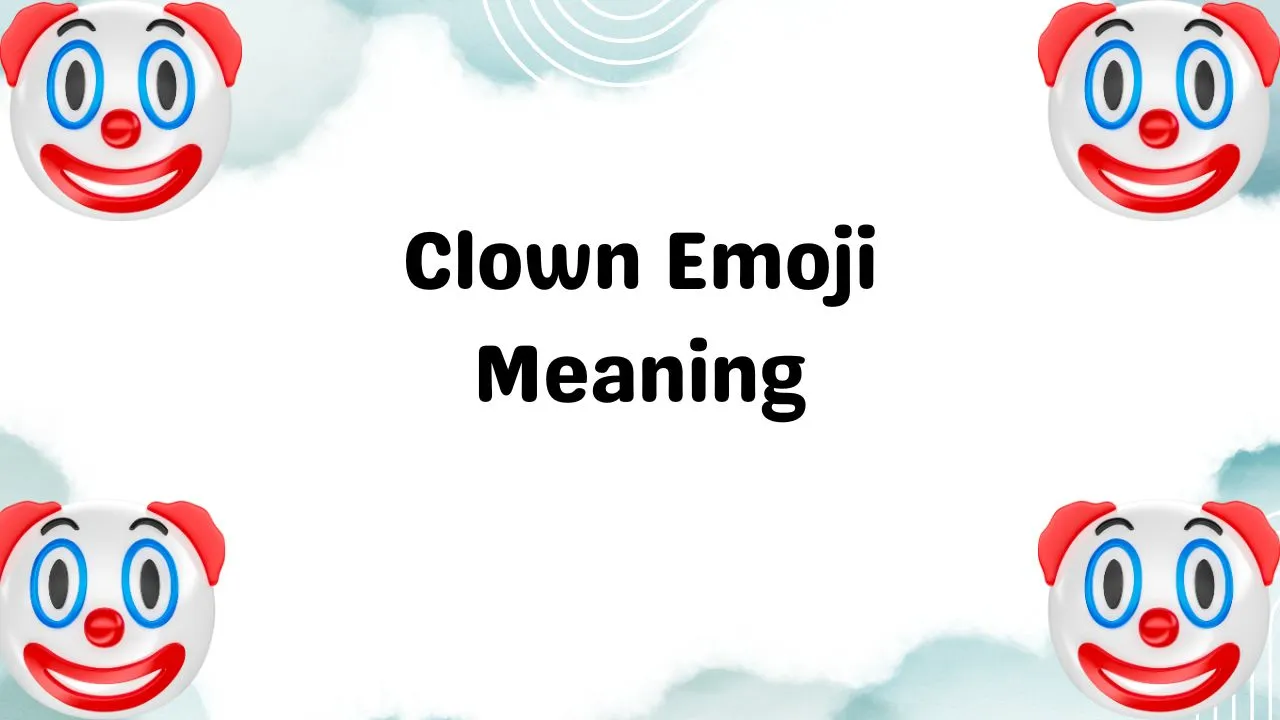
The official name is Clown Face. Unicode introduced it in 2016 as part of Unicode 9.0 (Emoji 3.0). The design shows a classic circus clown: white face paint, bright red nose, exaggerated smile, and two tufts of colorful hair.
In its purest form, the emoji simply represents a clown, fun, entertainment, birthday parties, or circus acts. That literal reading still appears, especially in messages about actual clowns or children’s events.
Internet culture quickly layered new meanings on top of the original design. Today the dominant use treats 🤡 as shorthand for “fool,” “idiot,” or “someone making a complete spectacle of themselves.” It works both as self-deprecation and as mild-to-sharp mockery directed at others.
A third, less common reading draws on the cultural discomfort many people feel toward clowns. Because of horror characters like Pennywise and real-world coulrophobia, the emoji sometimes signals that something or someone feels creepy, unsettling, or suspicious.
Context decides which meaning applies. The same emoji can feel affectionate among friends and dismissive in a public argument.
Origin and History of the Clown Face Emoji
Unicode approved the Clown Face emoji in 2016. It arrived alongside other expressive faces such as the cowboy and the nauseated face. Early press coverage already joked about its unsettling appearance, noting the fixed smile and staring eyes.
Usage remained relatively light until cultural moments amplified it. The 2016 “creepy clown” sightings across several countries and the 2017 film adaptation of Stephen King’s It both increased visibility. By the late 2010s the emoji had settled into its modern slang role: the digital equivalent of calling someone (or yourself) a clown.
Platforms render the design slightly differently. Apple, Google, and Samsung usually show red hair. WhatsApp, Facebook, and X often use blue hair. The core features, white makeup, red nose, and exaggerated expression, remain consistent enough that the meaning travels across devices.
Common Ways People Use the 🤡 Emoji
Self-Deprecating Humor
This is the friendliest and most frequent modern use. People add the clown emoji when they want to own a silly mistake, bad decision, or embarrassing moment without taking themselves too seriously.
Examples:
- “I spent twenty minutes looking for my glasses… while wearing them 🤡”
- “Thought I could meal-prep for the whole week. Ate everything by Wednesday 🤡”
- “Went back to my ex for the third time this year 🤡”
In these cases the emoji softens the admission. It says, “I know this was foolish, and I’m laughing at myself too.”
Mocking or Calling Out Foolishness
Directed at someone else, the emoji becomes more pointed. It can range from gentle teasing among close friends to open dismissal in public comments.
Examples:
- “You really believed that headline without checking the source? 🤡”
- Reply to a bad take: simply 🤡
- “This whole plan is a circus 🤡🤡”
Tone matters. Among friends the emoji often stays playful. In comment sections or quote tweets it frequently signals contempt.
Creepy or Scary Contexts
A smaller but real usage leans into the horror association. People drop the emoji when discussing unsettling situations, Halloween costumes, or anything that feels off in a clown-like way.
Example: “That abandoned carnival at night was pure 🤡 energy.”
How the Clown Emoji Differs Across Platforms and Generations
On TikTok and Instagram the emoji often appears in captions about dating fails, personal growth moments, or ironic self-awareness. Multiple clowns in a row (🤡🤡🤡) amplify the “this is chaotic” feeling.
On X (formerly Twitter) it frequently functions as a standalone reaction to political statements, celebrity drama, or sports blunders. The shorter the reply, the sharper the shade.
Younger users (especially Gen Z) treat it as standard slang for foolishness. Older users sometimes still read it more literally as “circus clown” or simple silliness, which can create occasional miscommunication.
Tips for Using the Clown Emoji Correctly
- Know your audience. Close friends usually understand self-roast or light teasing. Acquaintances or public posts carry higher risk of offense.
- Pair it with clear text when the tone could be ambiguous.
- Avoid stacking it under someone’s sincere post if you want to stay polite.
- Use it on yourself first if you’re unsure how it will land.
- Remember that professional or formal chats rarely welcome this emoji.
When in doubt, a simple laughing emoji or written clarification is safer than an unexplained 🤡.
Frequently Asked Questions (FAQs)
What does the clown emoji mean in text messages?
Most often it means “I (or you) just did something foolish.” Context and relationship decide whether it feels warm or cutting.
Is the clown emoji an insult?
It can be. Aimed at someone else it usually calls them a fool. Aimed at yourself it is usually self-deprecating humor.
What does 🤡 mean on TikTok?
It commonly marks embarrassing personal stories, bad decisions, or ironic commentary. Captions often use it for dating fails or “I should have known better” moments.
Why do people find the clown emoji creepy?
Many people experience coulrophobia (fear of clowns). Horror movies and news stories about threatening clowns reinforced that association, so the emoji sometimes carries an unsettling edge.
Does the hair color change the meaning?
No. Some platforms show red hair and others show blue, but the slang meaning stays the same.
Can the clown emoji be used positively?
Yes. When it refers to actual fun, parties, or light-hearted silliness, or when someone uses it to laugh at their own mistakes among friends.
Is there a difference between one clown and multiple clowns?
One 🤡 is standard. Two or three usually intensify the idea of chaos or extreme foolishness, “full circus mode.”
Conclusion
The clown emoji meaning has traveled a long way from its original circus roots. What began as a simple picture of a performer now functions as a flexible tool for self-roast, gentle teasing, sharp mockery, and occasional creepy vibes. The key is always context: who is sending it, who receives it, and what conversation surrounds it.
Once you recognize the main patterns, the 🤡 becomes far less mysterious. You can spot the self-aware admission, the pointed reply, or the light joke with more confidence. And when you choose to use it yourself, you’ll know exactly what message you’re sending.

I am Daniel Harris, a passionate writer and content creator dedicated to sharing valuable, informative, and engaging articles with readers. I am focused on researching topics deeply and presenting ideas in a simple, clear, and helpful way. I am passionate about delivering accurate information that helps people learn, grow, and make better decisions.