Have you ever wondered why someone sends you a ❤️ red heart instead of a 💙 blue heart or a 💜 purple heart? The different color heart emoji meaning can change the emotion behind a message, making each heart feel slightly different.
While the red heart often represents love, romance, and deep affection, other colors can express friendship, trust, support, kindness, excitement, or even humor.
For example, a 💛 yellow heart may suggest happiness and friendship, while a 💚 green heart can represent nature, growth, jealousy, or positive feelings depending on the context. A 🖤 black heart might express dark humor, sadness, or a unique sense of style.
Why Heart Emoji Colors Matter in Everyday Communication
Emojis fill the gap left by missing facial expressions and voice tone. Heart emojis do this especially well because color adds an extra layer of meaning. People have developed shared, informal associations over years of texting, social media, and messaging apps. While these meanings are not official rules, they are widely recognized across platforms like Instagram, WhatsApp, iMessage, and X.
Context still rules. The same heart can shift meaning depending on who sends it, the relationship, and the surrounding message. A red heart from a partner feels different from one from a coworker. Still, knowing the common patterns makes your communication smoother and more intentional.
Complete Guide to Different Color Heart Emoji Meanings
Here is a clear breakdown of the main solid-color heart emojis and how people typically use them today.
Red Heart ❤️ – Romance, Passion, and Deep Affection
The red heart remains the classic symbol of love. It most often signals romantic feelings, strong emotional connection, or deep care. People use it with partners, close family, and very dear friends.
It can also show strong appreciation or support in serious moments. Because it carries the most intensity, many people avoid sending it too early in a new connection or in purely professional settings.
Best for: Partners, “I love you” messages, close family, heartfelt thanks.
Less ideal for: New acquaintances or casual group chats where it might feel too strong.
Orange Heart 🧡 – Warmth, Energy, and Friendly Support
The orange heart sits between red and yellow. It feels warm and positive without the full romantic weight of red. People often use it to show encouragement, enthusiasm, or casual affection.
It works well for supportive friends, family group chats, or celebrating good news. Some see it as a safer alternative when red feels too committed.
Best for: Encouraging messages, friendly check-ins, positive vibes.
Less ideal for: Declaring serious romantic interest.
Yellow Heart 💛 – Friendship, Happiness, and Platonic Care
Yellow hearts radiate sunshine and warmth. They commonly represent friendship, joy, and light-hearted affection. Many people reserve them for close friends, family members, or situations that feel wholesome and supportive.
On some platforms it also appears in connection with best-friend rankings. In early dating it can signal interest that stays on the friendly side rather than full romance.
Best for: Friends, family, Mother’s Day messages, cheerful support.
Less ideal for: Intense romantic declarations.
Green Heart 💚 – Nature, Growth, Harmony (and Sometimes Jealousy)
Green hearts often connect to nature, health, environmental causes, or personal growth. People use them in eco-friendly posts, wellness conversations, or messages about balance and healing.
In some contexts the color green still carries a hint of envy or jealousy, so surrounding words usually clarify the intent.
Best for: Nature posts, health updates, supportive “you’re growing” messages.
Less ideal for: Purely romantic situations unless the context is clear.
Blue Heart 💙 – Trust, Loyalty, and Calm Friendship
Blue hearts feel steady and reliable. They frequently stand for trust, loyalty, and non-romantic care. Many people use them with friends, in professional or brand contexts, or to show support for causes (such as autism awareness).
The blue heart rarely feels flirtatious. It works as a safe, low-pressure way to show you care without raising romantic expectations.
Best for: Platonic friendships, supportive messages, loyalty, awareness posts.
Less ideal for: Strong romantic or passionate moments.
Purple Heart 💜 – Compassion, Admiration, and Creative Care
Purple hearts carry a softer, more elegant energy. Common associations include compassion, support, admiration, and sometimes luxury or creativity. K-pop fans (especially BTS ARMY) use it heavily as a sign of loyalty and affection. Some people simply choose it because purple is their favorite color.
It can feel slightly more special than blue or yellow while staying less intense than red.
Best for: Supportive friends, fandom, thoughtful check-ins, creative circles.
Less ideal for: Situations that need pure romantic intensity.
Black Heart 🖤 – Grief, Dark Humor, or Edgy Style
The black heart often expresses sorrow, mourning, or a more serious emotional tone. It also appears in dark humor, alternative aesthetics, or “emo” style posts. Context is especially important here, people use it both for genuine grief and for ironic or stylish statements.
Best for: Sympathy, dark humor among close friends, aesthetic captions.
Less ideal for: Light-hearted or purely positive messages.
White Heart 🤍 – Purity, Sympathy, and Quiet Support
White hearts feel clean, peaceful, and understated. They often appear in messages of pure affection, condolences, weddings, or minimalist aesthetic posts. Some people choose white when they want to show care without the intensity of color.
Best for: Sympathy, pure or spiritual love, elegant or simple messages.
Less ideal for: High-energy or passionate conversations.
Brown Heart 🤎 – Warmth, Stability, and Grounded Affection
The brown heart feels earthy and steady. People use it for comfort, cultural pride, or simple grounded care. It appears less often than the brighter colors but offers a unique, warm alternative.
Best for: Comforting messages, nature-related or cozy contexts.
Less ideal for: High-romance or highly energetic situations.
Pink Heart 🩷 and Light Blue Heart 🩵 – Softer, Playful, or Gentle Versions
Newer pink and light-blue hearts add softer options. Pink often feels playful, sweet, or lightly romantic. Light blue leans toward calm friendship and gentle care. Both give people more nuanced choices between the classic solid colors.
Purple Heart Emoji Meaning 💜
The 💜 Purple Heart emoji commonly represents affection, care, compassion, admiration, support, and emotional closeness. It can be romantic or friendly, depending on the relationship and conversation.
💗 Meaning of This Emoji 💗
The 💗 Growing Heart emoji often expresses growing affection, love, excitement, appreciation, or emotional warmth. It can suggest that someone’s feelings are becoming stronger or that they feel especially happy and affectionate.
Sparkling Heart Emoji Meaning 💖
The 💖 Sparkling Heart emoji usually conveys love, excitement, admiration, affection, and enthusiasm. The sparkles give the heart a more playful, cheerful, and emotionally expressive feeling.
Different Color Heart Emoji Meaning From a Guy ❤️💙💚💜
When a guy uses different colored hearts, each color can add a different emotional tone. ❤️ often suggests love, 💙 trust or support, 💚 friendship or care, and 💜 affection or admiration. However, the color alone doesn’t prove romantic interest.
Different Color Heart Emoji Meaning From Girl 💕👧
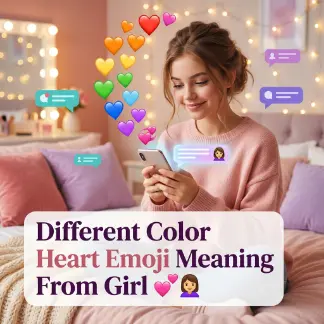
A girl may use different heart colors to express love, friendship, appreciation, care, support, or affection. For example, 🩷 can feel sweet and affectionate, while 💛 often feels warm and friendly. Context remains important.
Different Color Heart Emoji Meaning in WhatsApp 💬❤️
On WhatsApp, different heart colors can communicate different moods or feelings, although their meanings aren’t fixed rules. Common interpretations include ❤️ love, 🩷 affection, 💛 friendship, 💚 support, 💙 trust, 💜 compassion, 🖤 dark humor or sadness, and 🤍 peace or care.
Quick Reference Table of Heart Emoji Meanings
| Emoji | Color | Primary Meaning | Typical Context |
| ❤️ | Red | Romantic love, deep affection | Partners, close loved ones |
| 🧡 | Orange | Warmth, friendly support | Encouragement, casual care |
| 💛 | Yellow | Friendship, happiness | Friends, family, positive vibes |
| 💚 | Green | Nature, growth, harmony | Wellness, eco, supportive growth |
| 💙 | Blue | Trust, loyalty, calm care | Platonic, professional, causes |
| 💜 | Purple | Compassion, admiration | Support, fandom, thoughtful care |
| 🖤 | Black | Grief, dark humor, edge | Sympathy or aesthetic |
| 🤍 | White | Purity, quiet support | Condolences, pure affection |
| 🤎 | Brown | Warmth, stability | Comfort, grounded messages |
| 🩷 | Pink | Playful, sweet affection | Light romance or friendship |
| 🩵 | Light Blue | Gentle friendship, serenity | Soft, calm care |
Tips for Choosing the Right Heart Emoji
- Match the intensity to the relationship. Red for deep bonds, softer colors for newer or platonic ones.
- Consider the platform and audience. What feels normal among friends may feel odd at work.
- Pair the heart with clear words when the meaning could be ambiguous.
- Notice patterns in how the other person uses hearts, they often have their own system.
- When in doubt, a blue, yellow, or orange heart usually feels safer than red.
Frequently Asked Questions (FAQs)
What does a yellow heart mean from a guy or girl?
It usually signals friendship, happiness, or light care rather than strong romance. Context and the rest of the conversation still matter most.
Is a purple heart flirty?
It can be mildly affectionate or admiring, but it is rarely as direct as a red heart. Many people use it simply because they like the color or for supportive reasons.
What does a blue heart mean in a text?
Most often trust, loyalty, or calm friendship. It rarely carries romantic pressure.
Can a red heart be used for friends?
Yes. Close friends and family often exchange red hearts. The meaning depends on the existing relationship.
What does a black heart emoji mean?
It commonly shows grief, sadness, dark humor, or an edgy aesthetic. Check the surrounding message for the intended tone.
Why do people use different color hearts instead of just red?
Colors let people express different levels and types of care without words. They add nuance that a single red heart cannot always provide.
Do heart emoji meanings change over time?
Yes. New hearts appear, communities create their own associations (such as purple with certain fandoms), and everyday usage continues to evolve. Context always remains the strongest guide.
Conclusion
The different color heart emoji meaning comes down to shared cultural understanding rather than strict rules. Red still leads for romance and deep feeling, while yellow, blue, orange, and purple offer warmer, safer, or more specific ways to show care. Black and white serve more specialized emotional or aesthetic roles.
When you understand these common associations, you can choose hearts that match your intention and better interpret the ones you receive. The next time you open your emoji keyboard, you’ll know exactly which shade fits the moment. A thoughtful heart can make a simple message feel more personal, clear, and kind.
Also Read More Articles
Meaning of This Emoji 🙃: Complete Guide to the Upside Down Face for 2026
Heart Emoji Meaning: Understanding ❤️ in Text Messages for 2026
Skull Emoji Meaning in Text, Chat, and Social Media for 💀 2026
Face Emoji Meaning: Everything You Need to Know for 2026

I am David Wilson, a passionate writer dedicated to creating informative, engaging, and valuable content for readers. I enjoy researching different topics and sharing well-crafted articles that provide helpful insights, practical knowledge, and meaningful information. I am committed to maintaining high-quality writing standards with a focus on accuracy, clarity, and reader satisfaction.