Not every heart emoji expresses romantic love. Sometimes, a bright yellow heart says more about friendship, happiness, and genuine care than romance ever could. The Yellow Heart Emoji Meaning 💛 is commonly associated with friendship, joy, positivity, affection, loyalty, and emotional warmth.
Its cheerful colour makes it a popular choice when people want to show appreciation or remind someone that they matter. People often use 💛 in text messages, Instagram comments, WhatsApp chats, and Snapchat conversations to express friendly love and support.
For example, a friend might send you a yellow heart after a meaningful conversation or use it to celebrate your success. It can also represent family affection, kindness, and a happy connection between two people.
What Is the Yellow Heart Emoji?
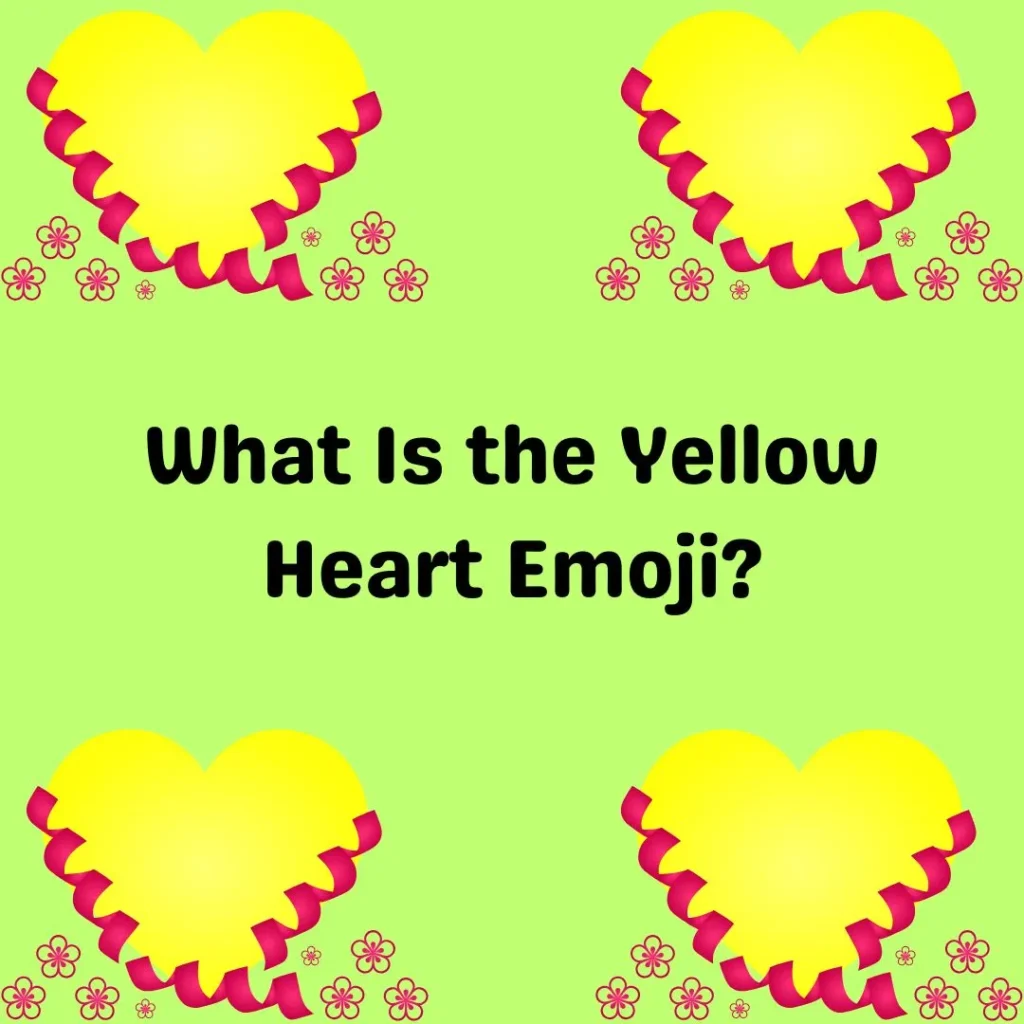
The yellow heart emoji (💛) is a simple, solid-colored heart rendered in a warm golden-yellow hue. It’s part of the broader “heart” emoji family, which includes red, orange, green, blue, purple, black, white, brown, and pink hearts, among others. Unicode officially classifies it under the “Yellow Heart” codepoint, and it has been available across major platforms since the earliest waves of emoji standardization.
Visually, it’s unmistakable. Unlike heart emojis with sparkles, arrows, or beating animations, the yellow heart is refreshingly simple: just a solid heart shape colored like sunshine. That simplicity is actually part of why its meaning can feel so ambiguous , there’s no extra visual cue to lean on, so the meaning is carried almost entirely by context and cultural association.
A Quick Look at Its Origins
Yellow as a color has long been associated with sunshine, optimism, and warmth in Western color psychology. When emoji sets expanded beyond the original red heart to include a rainbow of heart colors, yellow naturally inherited those same associations. It wasn’t designed to replace the red heart’s romantic intensity , it was designed to offer something softer, brighter, and more approachable.
The Core Yellow Heart Emoji Meaning
At its foundation, the yellow heart emoji meaning centers on friendship, happiness, and warmth rather than romantic passion. Think of it as the emoji equivalent of a genuine, sunny smile you’d give a close friend.
Here’s a breakdown of the primary meanings associated with 💛:
- Friendship and platonic love , This is by far the most common interpretation. Many people specifically choose the yellow heart over the red one when texting friends because it signals affection without romantic implication.
- Happiness and positivity , Because yellow is linked to sunshine and cheerfulness, this heart often pops up in messages meant to spread good vibes.
- Warmth and comfort , Some use it to express a cozy, supportive feeling, like telling someone “I’ve got your back” without saying it outright.
- Optimism and hope , In more reflective or motivational contexts, the yellow heart can represent a hopeful outlook or encouragement during tough times.
- Family bonds , Increasingly common in family group chats, where the color feels warm but appropriately non-romantic between parents, siblings, or relatives.
Unlike the red heart, which almost universally signals romantic love or deep passion, the yellow heart carves out its own emotional lane. It’s affectionate, but it keeps a respectful distance from romance , which is exactly why it’s become the go-to symbol for close, meaningful friendships.
What Does Yellow Heart Emoji Mean 💛
The yellow heart emoji 💛 usually represents friendship, happiness, warmth, and positive feelings. People use it to show affection without necessarily suggesting romance. It can also express appreciation, loyalty, and support for someone special.
What Do Yellow Hearts Mean 💛
Yellow hearts 💛 often symbolize cheerful friendship, kindness, care, and emotional support. Sending one to a friend can show that you value the relationship and feel happy to have them in your life. When someone sends multiple yellow hearts, they may want to emphasize their affection or excitement.
Yellow Colour Heart Meaning 💛
The yellow colour heart represents joy, positivity, friendship, and warmth. Like the colour yellow itself, this heart can make a message feel bright, friendly, and encouraging. People also use it to celebrate happy moments or show support without making a romantic statement.
Yellow Love Emoji Meaning 💛
The yellow love emoji 💛 expresses affection, appreciation, and care. It often appears in messages between close friends, family members, and people who share a positive bond. Although it can communicate love, it does not automatically mean romantic interest because its meaning depends on the conversation.
What Does a Yellow Heart Emoji Mean 💛
A yellow heart emoji 💛 usually means “I care about you,” “I’m happy for you,” or “You’re a great friend.” It can communicate kindness, trust, encouragement, and happiness. On Snapchat, the yellow heart has a specific meaning: you and another person are each other’s number-one best friends on the platform.
What Yellow Heart Mean 💛
The yellow heart 💛 means friendship, happiness, affection, or support. Someone might send it to thank you, celebrate good news, or show that they appreciate your friendship. Its exact meaning depends on who sends it and what you were discussing.
Yellow Heart 💛 Meaning
The yellow heart 💛 is commonly associated with friendship, cheerful affection, positivity, and loyalty. It offers a warm way to express love without the stronger romantic associations that a red heart ❤️ may carry. However, some people use it romantically, so consider the sender’s usual texting style and the context.
What Does the Yellow Heart Emoji Mean 💛
The yellow heart emoji 💛 generally expresses happiness, care, friendship, and positive energy. It can be a sign of encouragement, gratitude, or a close emotional connection. If someone sends it to you, it usually communicates warmth or affection, but the emoji alone cannot confirm whether they have romantic feelings.
Meaning of Yellow Heart 💛

The yellow heart emoji 💛 usually represents friendship, happiness, kindness, warmth, and genuine care. It can show affection without the romantic feeling often associated with a red heart.
💛 Meaning
💛 often means friendship, positivity, happiness, and emotional support. People may use it in texts or social media posts to show that they care about someone in a warm and friendly way.
What Does Yellow Heart Mean? 💛

A yellow heart 💛 generally means joy, friendship, loyalty, and positive feelings. However, its exact meaning can change depending on the conversation and the relationship between the people using it.
What Is the Meaning of Yellow Heart? 💛
The meaning of the yellow heart 💛 is commonly linked to happiness, friendship, kindness, and cheerful affection. It can be a sweet way to show someone you appreciate them without making the message strongly romantic.
Yellow Heart Means 💛
A yellow heart means warmth, positivity, friendship, and care. Someone might send 💛 to a close friend, family member, or anyone they want to support and make feel appreciated.
Yellow Hearts Meaning 💛💛
Yellow hearts 💛💛 can emphasize strong friendship, happiness, affection, or appreciation. Using multiple yellow hearts may simply make the message feel more cheerful and affectionate, depending on the context.
Yellow Heart Meaning in Relationship From a Woman
When a woman sends a 💛 yellow heart in a relationship, it often shows warmth, care, happiness, and emotional support. It can represent a loving bond without always feeling as intense as a red heart. The exact meaning depends on your relationship and the conversation.
Yellow Heart Emoji Meaning From a Guy

When a guy sends a 💛 yellow heart, he may be expressing friendship, affection, appreciation, or genuine care. In some conversations, it can also show that he feels comfortable and emotionally connected with you. Look at his other messages to understand the intended meaning.
Yellow Heart Emoji Meaning in WhatsApp
On WhatsApp, the 💛 yellow heart emoji commonly represents friendship, happiness, kindness, and positive feelings. Someone may use it to make a supportive or caring message feel warmer. Its meaning can change depending on who sends it and what they are talking about.
Yellow Heart Emoji Meaning From Girl
A 💛 yellow heart from a girl can suggest affection, friendship, appreciation, or emotional closeness. She may use it to show that she cares about you while keeping the message sweet and friendly. The surrounding words and your relationship can provide more context.
Yellow Heart Meaning on Snapchat
On Snapchat, the 💛 yellow heart can have a special meaning because Snapchat uses heart emojis to show friendship status. A yellow heart generally indicates that you and another person are each other’s #1 best friend. This makes it different from the general emotional meaning of the emoji.
What Does the 💛 Mean in Texting?
In texting, the 💛 yellow heart usually expresses happiness, friendship, care, support, and affection. It can be used when someone wants to show positive feelings without the stronger romantic tone sometimes associated with a ❤️ red heart. The meaning ultimately depends on the sender and the context.
Why People Choose Yellow Over Red
This is where things get interesting. If someone wanted to express deep affection but was unsure how a red heart might be received, the yellow heart offers a safer, friendlier alternative. It says “I care about you” without saying “I’m in love with you.”
Picture this scenario: you’ve just had a great heart-to-heart conversation with a close friend, and you want to end the chat on a warm note. Sending a red heart might feel like it’s sending the wrong signal, especially if you’re worried about being misread. A yellow heart, though, feels just right , warm, sincere, and unmistakably platonic.
This is precisely why the yellow heart emoji meaning has become so tightly linked with friendship in modern digital communication. It fills a gap that red hearts simply can’t fill without ambiguity.
Yellow Heart Emoji Meaning in Different Relationships
Context changes everything with emojis, and the yellow heart is a perfect example. Let’s look at how its meaning shifts depending on who’s sending it and who’s receiving it.
Between Close Friends
This is the yellow heart’s home turf. Friends use it to:
- Celebrate an inside joke or shared memory
- Show appreciation after a supportive conversation
- End a fun exchange on a warm, positive note
- Signal “I value our friendship” without sounding overly formal
Between Family Members
In family texting threads, the yellow heart often feels like the perfect middle ground , warmer than a thumbs-up, but appropriately non-romantic. A parent might send it after a good phone call, or siblings might use it to wrap up a supportive conversation.
In Romantic Situations (It Happens Too)
While less common, some couples do use the yellow heart, particularly in the early stages of dating or when their relationship carries a strong “best friends first” quality. In these cases, it can symbolize a relationship built on genuine friendship and happiness rather than intense passion. It’s also sometimes used by couples specifically because they associate the color yellow with joy and sunny memories together.
In Professional or Casual Acquaintance Contexts
Occasionally, people use the yellow heart in more casual professional settings , think close-knit team chats or creative collaborations , to express genuine appreciation or team spirit. It’s rare, but it happens in workplaces with a more relaxed communication culture.
Yellow Heart on Different Platforms: Does It Look the Same Everywhere?
One thing many people don’t realize is that emoji design can vary slightly across platforms, even though the underlying meaning stays consistent.
- Apple (iOS) , A bright, glossy golden-yellow heart with a slight 3D shading effect.
- Google (Android) , A flatter, slightly more matte yellow heart, consistent with Google’s simplified emoji design language.
- Samsung , Historically featured more rounded, softer heart shapes, though recent updates have aligned closer to the Unicode standard.
- WhatsApp , Uses a design very close to Apple’s rendering, given their historical design partnership.
- Facebook and Instagram , Slightly flatter with subtle gradient shading.
Despite these visual differences, the yellow heart emoji meaning remains remarkably consistent across platforms. You won’t find major cultural splits in interpretation the way you sometimes do with more ambiguous emojis (like the folded hands emoji, which can mean “prayer,” “thank you,” or “high five” depending on context).
Yellow Heart vs. Other Heart Emojis: A Complete Comparison
To really understand the yellow heart emoji meaning, it helps to see how it stacks up against its colorful siblings.
| Heart Emoji | Common Meaning |
| ❤️ Red Heart | Deep love, romance, passion |
| 💛 Yellow Heart | Friendship, happiness, warmth |
| 🧡 Orange Heart | Encouragement, warmth, sometimes friendship |
| 💚 Green Heart | Nature, growth, jealousy (context-dependent), support |
| 💙 Blue Heart | Trust, loyalty, calm affection |
| 💜 Purple Heart | Compassion, sometimes romantic, artistic affection |
| 🖤 Black Heart | Dark humor, edgy affection, sometimes sorrow |
| 🤍 White Heart | Purity, new beginnings, sincere affection |
| 🤎 Brown Heart | Support (notably associated with racial solidarity movements), grounded affection |
| 💗 Growing Heart | Growing affection, excitement |
| 💕 Two Hearts | Mutual romantic affection |
Notice how the yellow heart sits comfortably between the intensity of red and the more ambiguous, artsy vibe of purple. It’s specifically carved out its niche as the “safe but sincere” heart , genuine affection minus the romantic pressure.
Real-Life Examples of Yellow Heart Emoji Meaning in Action
Sometimes the best way to understand an emoji’s meaning is to see it in realistic conversational context.
Example 1: Friend Group Chat
“Can’t believe we pulled off that road trip with zero arguments 😂 love you guys 💛”
Here, the yellow heart reinforces platonic love within a friend group , warm, casual, and clearly non-romantic.
Example 2: Supporting a Friend Through a Hard Time
“I know today was rough. I’m always here for you 💛”
In this case, the yellow heart adds comfort and emotional support without the intensity a red heart might carry, which could feel out of place in a supportive-but-platonic exchange.
Example 3: Family Text Thread
“Thanks for coming to dinner tonight, it meant a lot 💛”
Here, it signals warmth and appreciation between family members , sincere but appropriately toned for a parent-child or sibling relationship.
Example 4: New Romantic Interest, Early Stage
“Had such a fun time today 💛”
In early dating contexts, some people intentionally choose yellow over red to express genuine enjoyment without moving too fast emotionally.
Common Misunderstandings About the Yellow Heart Emoji
Even with a fairly consistent meaning, misunderstandings still happen. Here are a few worth clearing up:
- “A yellow heart always means friend-zone.” Not necessarily true. While it often signals platonic affection, some people use it purely because they like the color or associate it with happiness, not because they’re deliberately avoiding romantic signals.
- “Yellow hearts are less meaningful than red hearts.” This isn’t accurate either. A yellow heart can carry just as much emotional weight as a red one , it simply channels a different kind of affection.
- “Everyone interprets it the same way.” Generational and cultural differences do exist. Younger users, especially on platforms like Snapchat, may have very specific interpretations tied to app-specific features (more on that below).
Yellow Heart Emoji Meaning on Snapchat
Snapchat deserves its own section here because it assigns a very specific, functional meaning to the yellow heart that differs from general texting culture.
On Snapchat, a yellow heart next to a friend’s name means you are each other’s #1 Best Friends , meaning you send the most snaps to each other, and they send the most snaps to you. It’s not necessarily about romantic or even the deepest emotional connection; it’s a popularity-and-frequency indicator built into the app’s friend-ranking system.
This Snapchat-specific meaning has actually influenced how younger users interpret the yellow heart emoji more broadly, reinforcing its association with close friendship rather than romance across other platforms too.
When Should You Use the Yellow Heart Emoji?
If you’re still unsure when it’s appropriate to send a 💛, here’s a simple guide:
- When texting a close friend to express genuine appreciation or warmth
- When you want to convey happiness about a shared moment or memory
- When comforting someone without wanting the message to feel romantically charged
- When wrapping up a heartfelt conversation on a positive, sunny note
- When celebrating family bonds in a way that feels warm but appropriate
And here’s when you might want to reconsider:
- If you’re trying to clearly signal romantic interest (a red heart communicates that far more directly)
- If the relationship context calls for something more formal
- If your specific friend group has an established different meaning for it (context always trumps general rules)
Tips for Using the Yellow Heart Emoji Effectively
- Pair it with genuine words. Emojis amplify tone, but they shouldn’t replace sincerity. “Thank you for always listening 💛” hits differently than just sending the heart alone.
- Consider your relationship history. If you’ve never used hearts with someone before, introducing one , even a “safe” yellow one , can shift the tone of a conversation, so use it intentionally.
- Know your platform. If you’re on Snapchat, remember the Best Friends implication before assuming it carries the same casual meaning as on iMessage or WhatsApp.
- Don’t overthink every yellow heart you receive. Sometimes people simply like the color or the vibe it gives off, without deep symbolic intention behind it.
- Use it to de-escalate romantic tension gracefully. If you want to keep things warm but platonic, yellow is a genuinely useful tool in your emoji vocabulary.
The Psychology Behind Why Yellow Feels “Safe”
There’s actual color psychology at play here. Yellow is widely associated with optimism, energy, and friendliness , think sunflowers, sunshine, and smiley faces. Unlike red, which psychologically triggers associations with intensity, urgency, and passion, yellow tends to relax people. It signals warmth without pressure.
This is part of why the yellow heart emoji meaning has organically evolved to represent friendship rather than romance. Our brains are already wired to associate the color with cheerful, low-stakes positivity, so it makes sense that the emoji built on that color would inherit the same emotional texture.
Final Thoughts
At the end of the day, the yellow heart emoji meaning boils down to one central idea: genuine, sunny affection without romantic pressure. It’s the emoji equivalent of a warm hug from a friend , comforting, sincere, and refreshingly uncomplicated.
Whether you’re using it to celebrate a close friendship, comfort someone during a hard moment, or simply spread a little positivity in a group chat, the yellow heart carries a specific emotional signature that sets it apart from every other heart in the emoji lineup. Understanding its nuances , from general texting culture to Snapchat’s Best Friends feature , helps you use it more intentionally and interpret it more accurately when you receive one.
Frequently Asked Questions
1. Does the yellow heart emoji mean romantic love? Generally, no. The yellow heart emoji meaning leans heavily toward friendship, happiness, and platonic warmth rather than romantic passion, which is more commonly associated with the red heart.
2. What does a yellow heart mean from a guy? It typically signals genuine friendship, appreciation, or warmth rather than romantic interest, though context and your specific relationship history matter more than the emoji alone.
3. What does the yellow heart mean on Snapchat specifically? On Snapchat, a yellow heart next to someone’s name indicates you are each other’s #1 Best Friends, meaning you send the most snaps back and forth with one another.
4. Is it okay to send a yellow heart to a family member? Absolutely. The yellow heart is a popular choice for family texting threads because it conveys warmth and appreciation without any romantic connotation.
5. What’s the difference between a yellow heart and an orange heart? Both lean toward warmth and encouragement, but the yellow heart is more strongly tied to friendship and happiness, while the orange heart often leans slightly more toward encouragement or enthusiasm.
6. Can a yellow heart be used in a romantic relationship? Yes, though it’s less common than red. Some couples use it to represent a relationship rooted in genuine friendship and joyful memories rather than intense passion.
7. Why do people prefer sending a yellow heart instead of a red one? Many people choose yellow specifically to express sincere affection while avoiding the romantic implications that a red heart typically carries, making it a safer choice for close but platonic relationships.
Also Read More Articles
Melting Face Emoji Meaning: Complete Guide to for 2026
Peach Emoji Meaning: What 🍑 Really Says in Texts, DMs, and Social Media
Red Heart Emoji Meaning ❤️ in Love, Friendship & Relationships for 2026
Green Heart Emoji Meaning 💚 in Text Messages and Conversations for 2026

I am Daniel Harris, a passionate writer and content creator dedicated to sharing valuable, informative, and engaging articles with readers. I am focused on researching topics deeply and presenting ideas in a simple, clear, and helpful way. I am passionate about delivering accurate information that helps people learn, grow, and make better decisions.