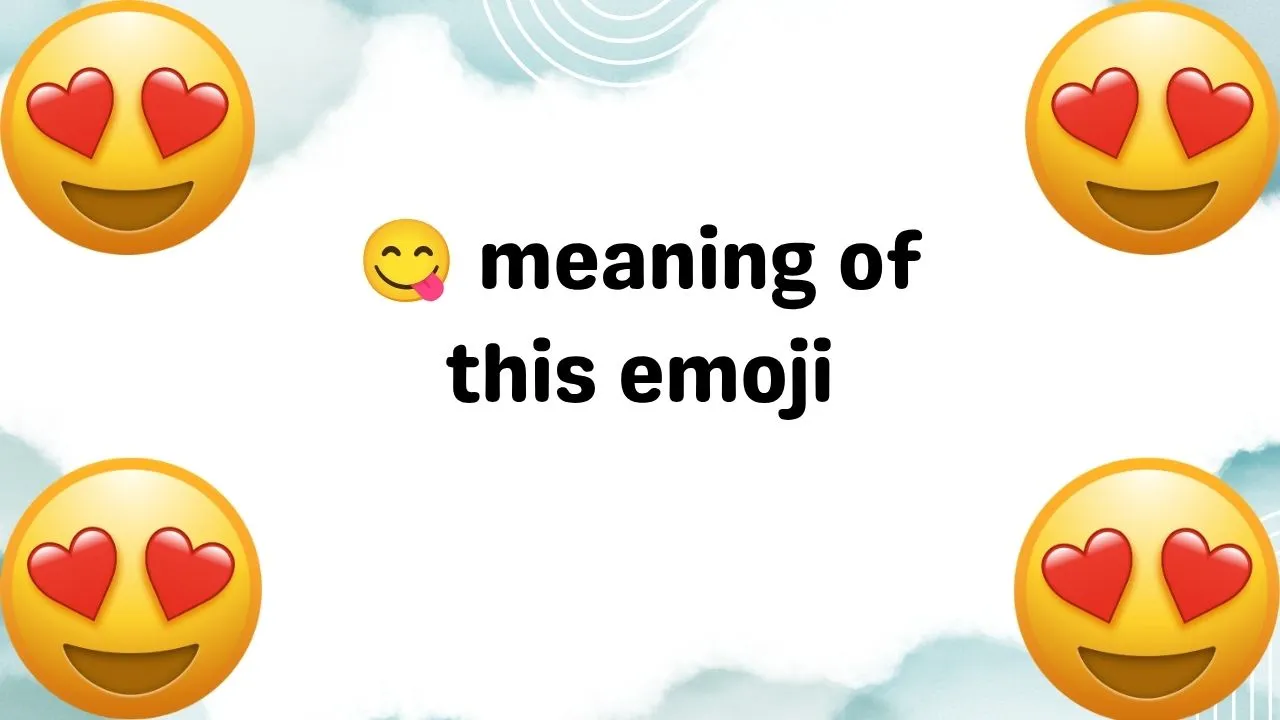
Have you ever received the 😋 emoji in a message and wondered what the person really meant? The 😋 meaning of this emoji can be surprisingly versatile, making it a popular choice in everyday texting, social media, comments, and online conversations.
At first glance, 😋 shows a smiling face with its tongue sticking out, usually expressing enjoyment, satisfaction, or something delicious. However, its meaning can change depending on the conversation, the person using it, and the words around it.
Someone might send 😋 after talking about their favorite food, while another person may use it playfully to show excitement, teasing, or attraction.
What the 😋 Emoji Actually Means
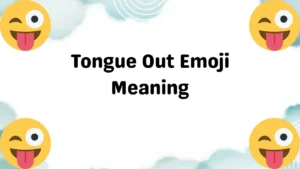
The 😋 emoji is officially called the “Face Savoring Food.” It shows a smiling face with closed, content eyes and a tongue sticking out as if licking the lips. The expression captures the feeling of tasting something really good.
Most people read it as “yum,” “delicious,” or “that looks so tasty.” It can also express general pleasure or excitement about something non-food related when the context is clear. The core idea remains the same: the sender is savoring a positive experience.
Official Name and Appearance
Unicode lists it as Face Savoring Food. On most platforms it appears as a yellow face with rosy cheeks, squinted happy eyes, and a pink tongue. Slight design differences exist between Apple, Google, Samsung, and other systems, but the meaning stays consistent.
Common Interpretations
- Enjoying food or drink
- Looking forward to a meal
- Reacting positively to something appealing
- Playful teasing or flirtation when the conversation turns light
The emoji rarely carries a negative tone. When it does appear in a sarcastic way, the surrounding text usually makes the irony obvious.
Where the 😋 Emoji Comes From
Emoji first gained popularity in Japan in the late 1990s. The Face Savoring Food was added to Unicode in 2010 as part of Unicode 6.0. It quickly spread worldwide once smartphones made emoji keyboards standard.
Designers based the look on the universal human reaction of licking lips after tasting something good. Over the years the artwork has been refined, yet the tongue-out expression remains the key visual cue.
How People Use the 😋 Emoji in Everyday Conversation
People drop 😋 into messages for several practical reasons:
- Commenting on food photos: “That pizza looks incredible 😋”
- Sharing their own meal: “Just made homemade pasta 😋”
- Expressing excitement about an upcoming treat: “Dinner plans tonight 😋”
- Reacting to non-food pleasure: “That new song is fire 😋”
- Softening a request or compliment: “Send me the recipe 😋”
It works well in group chats, Instagram captions, Twitter replies, and text messages. Because it feels warm and casual, it helps keep the tone friendly.
Tips for Using It Naturally
- Pair it with food-related words when the context is unclear.
- Avoid overusing it in formal or professional messages.
- Combine it with other food emojis (🍕🍔🍦) for stronger visual impact.
- Match the energy of the conversation, use it when the mood is light.
Similar Emojis and How They Differ
Several face emojis express positive feelings, but each has its own flavor:
| Emoji | Name | Main Meaning | Best Used For |
| 😋 | Face Savoring Food | Delicious, yummy | Food and pure enjoyment |
| 😍 | Smiling Face with Heart-Eyes | Love or strong admiration | Crushes, favorites, beauty |
| 🤤 | Drooling Face | Extreme desire or hunger | Craving something intensely |
| 😊 | Smiling Face with Smiling Eyes | Warm happiness | General friendliness |
| 😜 | Winking Face with Tongue | Playful teasing | Jokes and light flirting |
Choosing the right one depends on the exact feeling you want to convey. 😋 stays the clearest choice when food or pure sensory pleasure is involved.
Cultural Notes and Platform Differences
Most cultures read 😋 the same way, as enjoyment of something tasty. In some online communities it can take on a slightly flirtatious tone when used outside food talk, but this remains secondary to the original meaning.
Appearance varies slightly:
- Apple tends to show a more rounded, soft face.
- Google and Samsung versions can look a bit more cartoonish.
- Older devices may display a simpler version.
These visual differences rarely change how people interpret the emoji.
Frequently Asked Questions (FAQs)
What does the 😋 emoji mean in text messages?
It usually means “yum” or “that looks delicious.” The sender is expressing enjoyment or anticipation, most often related to food.
Is 😋 only used for food?
No. While food is the most common context, people also use it for anything they find highly enjoyable or exciting.
What’s the difference between 😋 and 🤤?
😋 shows satisfied enjoyment. 🤤 shows intense craving or desire, often with more exaggerated hunger.
When was the 😋 emoji created?
It was added to the Unicode Standard in 2010 as part of Unicode 6.0.
Can 😋 be used in a sarcastic way?
Yes, but sarcasm usually needs supporting text or other emojis to land clearly. On its own it stays positive.
Does the 😋 emoji look the same on every phone?
The core design is consistent, but small artistic differences exist across Apple, Android, and other platforms.
Is it okay to use 😋 in professional messages?
It depends on the workplace culture. In most formal settings it’s safer to skip playful food emojis.
Conclusion
The 😋 emoji is a simple, friendly way to say “this is delicious” or “I’m really enjoying this.” Its official name, Face Savoring Food, captures the feeling perfectly. From food posts to casual chats, it adds warmth and clarity when used with intention.
Understanding the meaning helps you read messages more accurately and reply with the right tone. Next time you see or send 😋, you’ll know exactly what it communicates.

I am Ethan Carter, a passionate writer dedicated to creating informative, engaging, and valuable content for readers around the world. I focus on delivering well-researched articles that provide clear insights, practical tips, and helpful solutions. With a strong interest in exploring new ideas and sharing knowledge, I aim to make every piece of content easy to understand and useful for my audience.