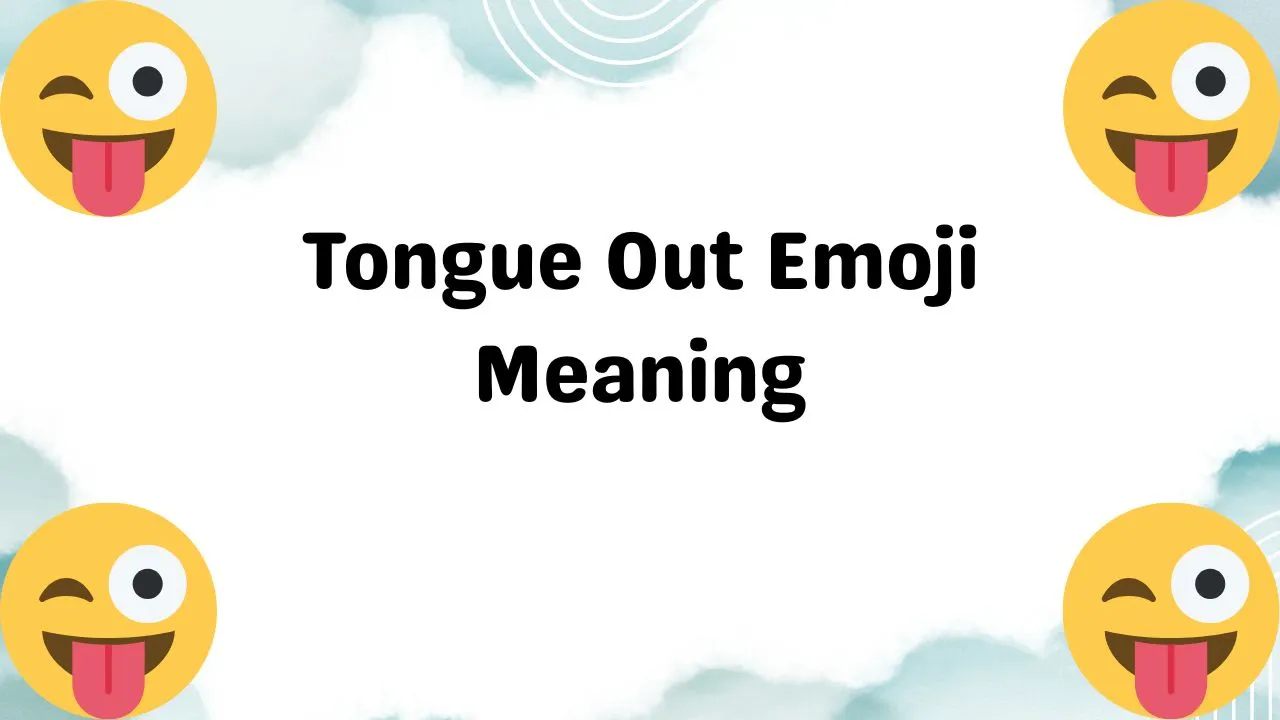
A single tongue-out emoji can instantly make a message feel more playful, but what is the sender really trying to express? 😛😜😝 From harmless teasing and silly jokes to excitement, mischief, or playful flirting, tongue-out emojis can carry several different meanings depending on the conversation.
The Tongue Out Emoji Meaning is not always limited to simply “being funny.” Different versions of the emoji have slightly different expressions, and even the same emoji can sound completely different depending on who sends it and what they say before or after it.
A friend might use it to tease you, someone you like may use it in a flirty way, while another person may simply be showing that they are joking around. Understanding the context is therefore important when interpreting these emojis correctly.
Different Types of Tongue Out Emojis
Several emojis fall under the “tongue out” category. Each one carries a slightly different flavor of playfulness or attitude.
Face with Tongue 😛
This is the classic version. A yellow face with open eyes and a tongue sticking straight out. It most often means “I’m just kidding,” “don’t take this too seriously,” or pure goofiness. People drop it at the end of a statement to lighten the mood or show they’re teasing in a friendly way.
Winking Face with Tongue 😜
Add a wink and the tone becomes more mischievous or flirty. This one often signals a joke with a playful edge or light flirtation. It’s common in banter between friends or when someone is being cheeky on purpose.
Squinting Face with Tongue 😝
The eyes are scrunched shut, which usually means bigger energy laughing hard, feeling extra silly, or reacting to something ridiculous. It can also come across as more exaggerated or sarcastic than the plain 😛.
Face Savoring Food 😋
This one shows a face with a tongue licking its lips. While it belongs in the same family, it is most often used for delicious food or something the person finds very appealing (including, sometimes, a person).
Standalone Tongue 👅
Unlike the face versions, this is just a tongue. Without the face to soften it, the meaning can lean more toward teasing, tasting something good, or, in certain contexts, a suggestive or flirty tone.
Common Meanings of the Tongue Out Emoji
The tongue out emoji is flexible, but these are the most frequent interpretations:
- Playful teasing or “just kidding”
The most common use. Someone makes a slightly bold or sarcastic comment and adds the emoji so you know they’re not being serious. - Silliness and goofiness
Used when the person feels silly, is making a foolish joke, or simply wants to keep the conversation light. - Excitement or high energy
Sometimes it appears when someone is really looking forward to something and can’t contain their enthusiasm. - Flirting or cheekiness
Especially with the winking version or the standalone tongue, it can add a flirty or mildly suggestive tone. - Delicious or appealing
With food photos or recommendations, the tongue (especially 😋 or 👅) often means “that looks so good” or “I want to taste that.” - Mild provocation or defiance
In some cases it works like sticking your tongue out in real life — a light “so there” or playful challenge.
How Context Changes the Meaning
Emojis almost never stand alone in meaning. The conversation, relationship, and platform all matter.
- Between close friends, 😛 or 😝 is usually pure playfulness.
- In a flirty chat or dating app, the same emoji (especially 😜 or 👅) can feel more intentional and suggestive.
- On food-related posts or stories, 👅 or 😋 almost always points to taste.
- When paired with other emojis (for example 👅💦 or 😜🔥), the tone can shift further toward heat or innuendo.
- Cultural background also plays a role. In some places sticking out the tongue is more rude or formal than playful, so international chats can create extra room for misunderstanding.
Real Conversation Examples
Here are a few everyday ways people use these emojis:
- “You’re such a bad influence 😛” (friendly teasing)
- “I can’t believe we actually did that 😝” (laughing at shared silliness)
- “That pizza looks incredible 👅” (food reaction)
- “Oh really? Prove it 😜” (playful challenge with a flirty edge)
- “Just kidding, you’re the best 😛” (softening a previous joke)
Notice how the surrounding words and the specific emoji chosen guide the interpretation.
Tips for Using the Tongue Out Emoji Well
- Match the emoji to your relationship. What feels fun with a best friend can feel odd with a coworker.
- When in doubt, the simpler 😛 is the safest “I’m joking” signal.
- Pay attention to how the other person uses emojis. Matching their style often feels more natural.
- Avoid overusing it. A single well-placed tongue out emoji usually works better than a string of them.
- If you’re unsure whether something might be read as suggestive, choose a clearer emoji or add a few extra words.
Frequently Asked Questions (FAQs)
What does the tongue out emoji mean from a guy?
It usually signals playfulness, teasing, or light flirting. Context decides whether it’s just joking around or something more interested.
What does 👅 mean in texting?
The standalone tongue can mean teasing, “that looks delicious,” or a more suggestive tone, especially in private or flirty conversations.
Is the tongue out emoji flirty?
It can be. The winking version 😜 and the plain tongue 👅 are the ones most often used with flirty intent. The basic 😛 is usually more neutral and playful.
What’s the difference between 😛 and 😜?
😛 is general silliness or “just kidding.” 😜 adds a wink, which often makes it feel more mischievous or flirtatious.
Can the tongue out emoji be rude?
In some cultures or with certain people it can come across as childish or mildly disrespectful. Most of the time in casual English-speaking chats it’s taken as playful.
What does 😝 mean?
It usually shows stronger silliness, hard laughter, or an over-the-top reaction. The closed eyes give it more intensity than the regular 😛.
Does 😋 always mean food?
Most often yes, but it is also used when someone finds a person attractive (“you look like a snack”) or is being playfully suggestive.
Conclusion
The tongue out emoji meaning centers on playfulness, teasing, and lighthearted energy. Whether it appears as 😛, 😜, 😝, or the plain 👅, the core idea is usually “don’t take this too seriously” or “I’m being silly/cheeky.”
Context remains the real key. The same emoji can feel friendly, flirty, food-related, or mildly provocative depending on who sends it and what else is said. Once you recognize the common patterns, these little icons become much easier to read and easier to use with confidence.

I am Daniel Harris, a passionate writer and content creator dedicated to sharing valuable, informative, and engaging articles with readers. I am focused on researching topics deeply and presenting ideas in a simple, clear, and helpful way. I am passionate about delivering accurate information that helps people learn, grow, and make better decisions.