A tiny smile on your screen can sometimes say more than an entire sentence. 😊🙂😄 Have you ever received a smile emoji and paused for a moment, wondering whether the person was being genuinely friendly, simply polite, or trying to express something deeper?
The Smile Emoji Meaning is not always as straightforward as it appears. Different smile emojis can communicate happiness, warmth, kindness, excitement, affection, nervousness, awkwardness, or even sarcasm, depending on the situation.
The same emoji may also carry a completely different tone when sent by a close friend, romantic partner, family member, coworker, or someone you barely know.
What Does the Smile Emoji Actually Mean?
At its core, the smile emoji represents happiness, friendliness, and positive emotion. It acts as a digital stand-in for the facial expression we make when we feel pleased, content, or welcoming. In text-based communication, where body language is missing, these icons help fill the emotional gap.
The classic smile emoji (and its many close relatives) usually signals:
- Genuine happiness or joy
- Politeness and goodwill
- Gratitude or appreciation
- Softening of a message that might otherwise sound flat or direct
- Friendly acknowledgment
Unlike laughing-face emojis that show strong amusement, the basic smile family stays calmer and more versatile. You can use it after good news, a thank-you, a casual greeting, or simply to keep a conversation light and positive.
Common Smile Emojis and Their Specific Meanings
Not all smiles are created equal. Small differences in eyes, mouth shape, and overall expression create distinct feelings. Here is a clear breakdown of the most frequently used ones.
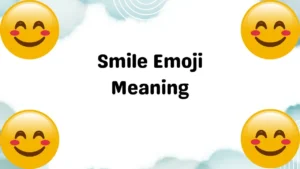
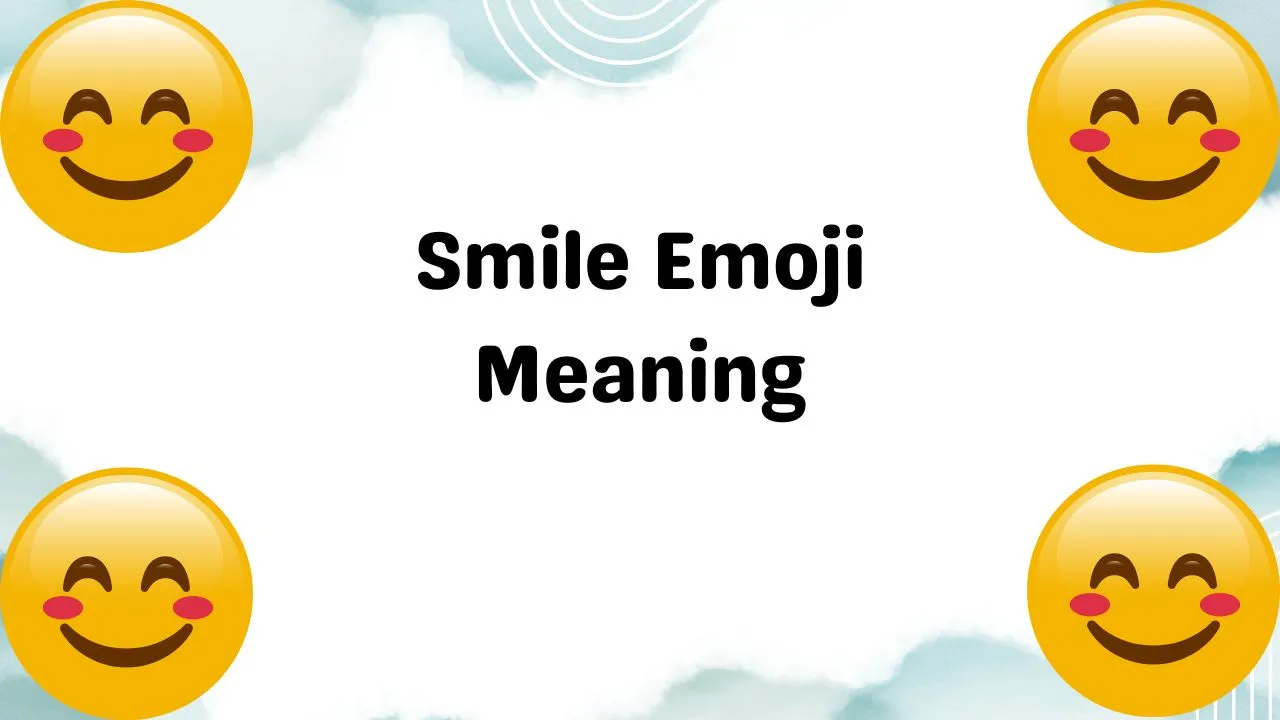
😊 Smiling Face with Smiling Eyes
This is widely considered the warmest and most genuine smile emoji. The closed, curved eyes suggest a real, heartfelt smile rather than a polite one. People use it to express sincere happiness, gratitude, or kindness.
Best for: Thank-you messages, soft encouragement, friendly replies, and situations where you want to sound approachable without overdoing it.
Example: “Thanks for your help with that project 😊”
😀 Grinning Face
An open-mouthed smile that feels bright and straightforward. It shows clear happiness without extra intensity.
Best for: Everyday positive reactions, sharing mild good news, or keeping the mood upbeat.
Example: “Looking forward to the weekend 😀”
😃 Grinning Face with Big Eyes
Similar to the previous one but with wider, more excited eyes. This version adds a touch of enthusiasm or pleasant surprise.
Best for: Sharing exciting plans or reacting to something pleasant.
Example: “We got the tickets! 😃”
😄 Grinning Face with Smiling Eyes
A bigger, more joyful expression. The smiling eyes combined with a wide open mouth make it feel close to laughter or deep delight.
Best for: Celebrating good news or showing strong positive feelings.
Example: “That news made my day 😄”
😁 Beaming Face with Smiling Eyes
This one shows a broad, toothy grin with crinkled eyes. It often feels playful, energetic, or a bit mischievous.
Best for: Fun moments, light teasing, or high-energy positivity.
Example: “Can’t wait to see you tomorrow 😁”
🙂 Slightly Smiling Face
A closed-mouth, mild smile. On the surface it looks polite and neutral. In practice, many younger users now read it as passive-aggressive, forced, or emotionally distant.
Best for: Professional acknowledgments or very neutral replies — but use carefully with friends or younger people.
Example: “Got it, thanks 🙂”
☺️ White Smiling Face
An older-style smile that often appears with rosy cheeks. It feels classic, gentle, and sometimes a little shy or blushing.
Best for: Soft positivity or mild embarrassment mixed with happiness.
How Context Changes the Smile Emoji Meaning
The same emoji can feel completely different depending on the conversation. A smile after a compliment usually reads as warm. The same smile after a critical comment can soften the edge and make the message feel less harsh.
In professional settings, a gentle 😊 often works better than a big grinning face, which can come across as too casual. In group chats with friends, bigger smiles feel natural and energetic. On dating apps, certain smiles can signal friendliness or mild interest without heavy flirting.
Tone also depends on what comes before or after the emoji. Pairing a smile with short replies like “okay” or “sure” can sometimes feel dismissive, while using it after a longer, thoughtful message usually lands as kind.
Cultural and Generational Differences
Smile emojis are not completely universal. In many Western countries they simply mean happiness or politeness. In some East Asian contexts, a standard smile can sometimes carry undertones of formality, politeness, or even mild sarcasm, depending on the exact face and the relationship between the people messaging.
Age also plays a big role. Older users often treat 🙂 as a friendly neutral smile. Many Gen Z and younger millennials interpret that same emoji as cold or sarcastic. The safer choice for mixed-age conversations is usually 😊, which still reads as warm across groups.
Tips for Using Smile Emojis Effectively
- Match the intensity of the emoji to the moment. Soft smiles for everyday kindness, bigger grins for real excitement.
- When in doubt, choose 😊. It is one of the least ambiguous positive faces.
- Avoid overusing any single smile. Too many in a row can feel forced.
- Pay attention to how the other person replies. If they use bigger or smaller smiles, you can mirror their style.
- In work messages, stick to the gentler options unless the workplace culture is very casual.
- Remember that emojis support the words — they rarely replace clear communication on their own.
Frequently Asked Questions (FAQs)
What is the most common smile emoji meaning?
The most common meaning is genuine friendliness or mild happiness. The 😊 version is especially popular for warmth and gratitude.
Is there a difference between 😊 and 🙂?
Yes. 😊 usually feels sincere and warm. 🙂 is milder and can sometimes read as polite but distant or even passive-aggressive, especially among younger people.
Can a smile emoji be sarcastic?
It can. Context and the specific face matter. A slightly smiling face or an upside-down smile often carries ironic meaning, while a warm closed-eye smile rarely does.
Which smile emoji is best for professional messages?
😊 or a simple 😀 tend to work best. They add friendliness without looking overly casual or excited.
Why do some people use the smile emoji after every message?
Some people use it as a polite default to keep conversations feeling positive and approachable. Others may do it out of habit.
Does the smile emoji mean the same thing in every country?
Not always. While the basic positive meaning is widely understood, cultural norms around politeness and emotional expression can shift how people interpret the exact intensity or intention.
What does it mean when someone only replies with a smile emoji?
It often signals acknowledgment or mild positivity without wanting to continue a long conversation. Sometimes it is simply a friendly way to end the exchange.
Conclusion
The smile emoji meaning centers on positivity, warmth, and human connection in digital spaces. From the soft 😊 that feels like a genuine grin to the brighter open-mouthed versions that show excitement, each variation offers a slightly different emotional shade. Context, culture, and the relationship between people all shape how these icons land.
Choosing the right smile helps your messages feel clearer and more considerate. It turns plain text into something that carries a bit of real feeling. Next time you reach for one, pause for a second and pick the face that matches what you actually want to say. A thoughtful smile goes a long way.

I am David Wilson, a passionate writer dedicated to creating informative, engaging, and valuable content for readers. I enjoy researching different topics and sharing well-crafted articles that provide helpful insights, practical knowledge, and meaningful information. I am committed to maintaining high-quality writing standards with a focus on accuracy, clarity, and reader satisfaction.