Have you ever wondered why someone sends you a ❤️ instead of a 💙, 💛, or 💜? Heart emojis may look simple, but each color can communicate a different emotion, relationship, or hidden message.
The Heart Color Emoji Meaning can range from romantic love and deep affection to friendship, support, happiness, sympathy, or even playful feelings. That is why choosing the right heart color can sometimes matter more than the words that come with it.
A red heart may express passionate love, while a yellow heart can represent friendship, positivity, and warmth. Other colors, such as blue, green, purple, black, white, and orange, can carry their own meanings depending on the situation and the person sending them.
What Do Different Heart Color Emojis Mean?
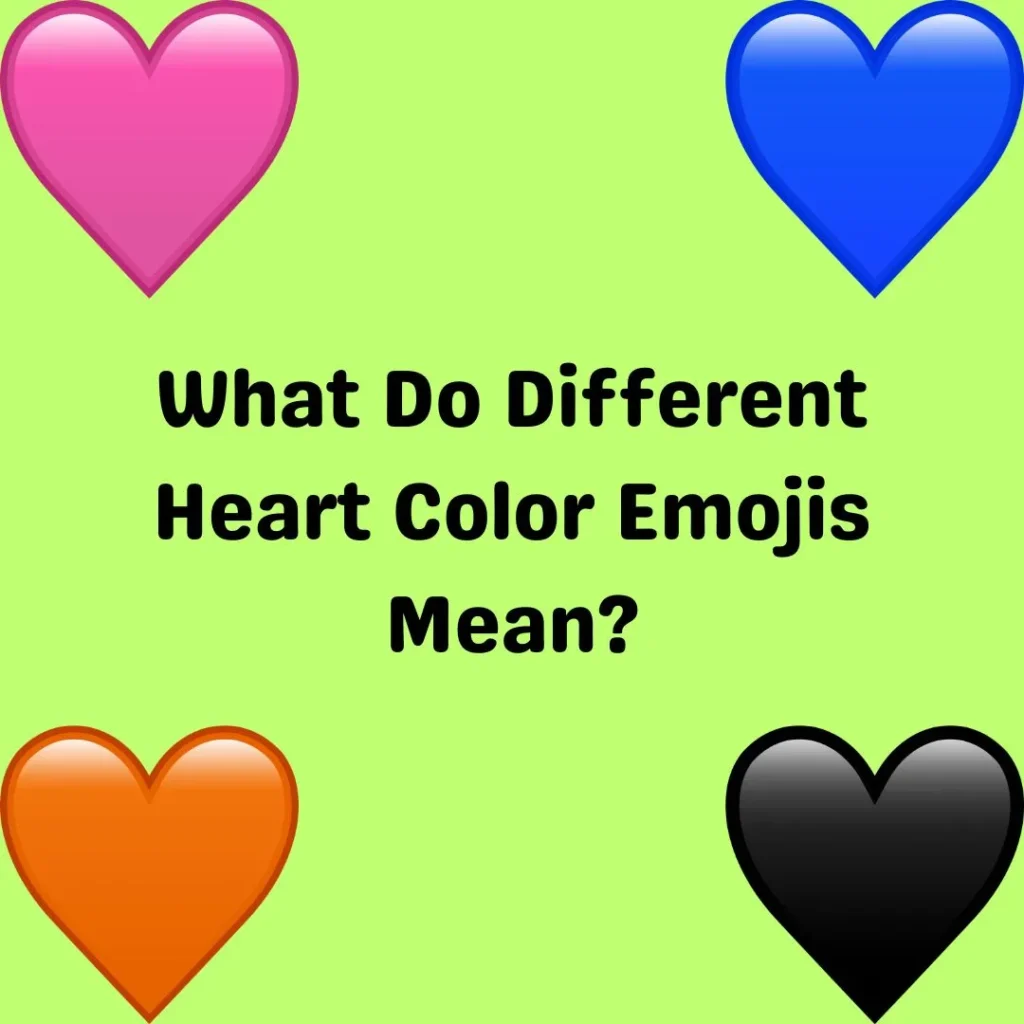
Heart emojis come in many colors, and each shade carries a general vibe that most people recognize. These meanings developed through everyday use on platforms like Instagram, WhatsApp, Twitter (X), and Snapchat rather than from any official dictionary. Still, the patterns are consistent enough that you can use them with confidence.
Here is a clear overview of the main solid heart emojis and their most common meanings:
| Emoji | Color | Primary Meaning |
| ❤️ | Red | Romantic love, deep affection, passion |
| 🧡 | Orange | Warmth, care, friendly support |
| 💛 | Yellow | Happiness, friendship, joy |
| 💚 | Green | Nature, growth, health (sometimes jealousy) |
| 💙 | Blue | Trust, loyalty, calm friendship |
| 💜 | Purple | Compassion, support, admiration |
| 🖤 | Black | Sorrow, grief, dark humor |
| 🤍 | White | Purity, peace, gentle sympathy |
| 🤎 | Brown | Comfort, warmth, solidarity |
| 🩷 | Pink | Soft affection, sweetness, tenderness |
These interpretations are flexible. A red heart from your partner means something different from a red heart under a stranger’s photo. Always read the conversation around it.
Red Heart ❤️ – The Classic of Love and Passion
The red heart is the original and still the most widely used. It stands for strong romantic feelings, deep care, and emotional closeness. People send it to partners, family members, and closest friends when they want to express genuine love.
It can also show general appreciation or support, especially during hard times. However, many people treat it carefully with acquaintances because it can feel intense or overly personal. If you want to keep things light, another color often works better.
Orange Heart 🧡 – Warmth Without the Romance
Orange sits comfortably between friendship and mild affection. It signals care, encouragement, and positive energy without the romantic weight of red. Many people choose it when they want to be supportive but not flirtatious.
It works well in group chats, with coworkers you like, or when celebrating someone’s good news. Some also use it simply because they enjoy the color.
Yellow Heart 💛 – Friendship and Sunshine Energy
Yellow hearts radiate happiness and platonic love. They are the go-to choice for close friends, family encouragement, or lighthearted messages. The color feels cheerful and safe, which is why it appears so often in friendly conversations.
On Snapchat, a yellow heart once marked best friends, reinforcing its association with strong non-romantic bonds. Use it when you want to brighten someone’s day without any mixed signals.
Green Heart 💚 – Growth, Nature, and Occasional Envy
Green connects strongly to nature, health, and environmental causes. People send it when talking about plants, sustainability, recovery, or personal growth. It can also appear in wellness or eco-friendly posts.
In some older contexts, green still carries a hint of jealousy (“green with envy”). Context usually makes the intention clear, so pair it with words if you want to avoid any confusion.
Blue Heart 💙 – Trust, Loyalty, and Steady Support
Blue hearts feel calm and reliable. They express loyalty, trust, and solid friendship more than romance. Many people use them with family, long-term friends, or when offering quiet support.
Blue also shows up in awareness campaigns (such as autism support) and with brands that want a trustworthy image. It rarely gets misinterpreted as romantic, making it one of the safest options.
Purple Heart 💜 – Compassion and Admiration
Purple carries a soft, caring energy. It often signals compassion, emotional support, or quiet admiration. Fans of certain music groups (especially BTS, who popularized “I purple you”) use it heavily as a sign of loyalty and affection within the community.
It also works well for birthday wishes, thank-you messages, or when you want something a little more special than a basic yellow or blue heart.
Black Heart 🖤 – Grief, Dark Humor, and Edge
Black hearts are versatile in a darker direction. They commonly express sorrow, mourning, or sympathy after a loss. At the same time, many people use them for dry humor, sarcasm, or a goth aesthetic.
Read the surrounding message carefully. Next to a memorial post it means grief; next to a joke it usually means dark comedy.
White Heart 🤍 – Purity, Peace, and Gentle Care
White hearts feel clean and peaceful. They often appear in messages of pure love, remembrance, or quiet support during difficult moments. Some people prefer them for minimalist aesthetics or when they want a softer alternative to red.
They pair naturally with messages about angels, peace, or emotional healing.
Brown Heart 🤎 – Comfort and Solidarity
Brown hearts feel grounded and cozy. They can represent comfort, earthy warmth, or simple appreciation for everyday things like coffee and chocolate. In some communities they also serve as a symbol of solidarity and identity.
Use them when you want a heart that feels friendly and real rather than flashy.
Pink Heart 🩷 – Soft and Sweet Affection
The pink heart (added more recently) brings a gentle, playful tone. It sits between red’s intensity and yellow’s pure friendship. People use it for soft romantic interest, cute moments, or tender care.
It feels lighter than a full red heart, which makes it popular for early-stage crushes or affectionate but not overly serious messages.
How Context Changes Heart Color Emoji Meaning
No color has a fixed, official definition. A red heart from your partner after a good date means love. The same red heart under a funny meme from a coworker might just mean “this made me smile.”
Age, culture, and platform also matter. Younger users sometimes treat all hearts more casually. In some regions certain colors carry extra political or social weight. The safest approach is to match the heart to the relationship and the conversation already happening.
Practical Tips for Choosing the Right Heart Emoji
- Save the red heart for people you feel genuinely close to.
- Reach for yellow or blue when you want pure friendship vibes.
- Use orange or purple for warm support without romance.
- Choose black or white carefully around sensitive topics.
- When in doubt, pick a softer color or simply write a short message instead.
Matching the emoji to your actual feeling prevents confusion and keeps your texts clear.
Frequently Asked Questions (FAQs)
What does a red heart emoji mean from a guy or girl?
It usually signals romantic interest or deep care, especially if the person does not send hearts often. Context and the rest of the conversation matter more than gender.
Is the yellow heart only for friends?
Most people use it for friendship and happy, non-romantic affection. It is one of the safest choices when you want to show care without any romantic implication.
What does a blue heart mean in texting?
It typically means trust, loyalty, or calm support. It rarely carries romantic weight and works well with friends and family.
Can a green heart mean jealousy?
Sometimes, especially in older or playful contexts. Most modern use points to nature, growth, or health instead.
Why do people use the purple heart so much?
It feels compassionate and a little special. K-pop fans also adopted it as a signature of loyalty and affection.
Is the black heart negative?
Not always. It can mean grief or dark humor depending on the message. Many people simply like the aesthetic.
What is the safest heart emoji to send to almost anyone?
Yellow or blue hearts are generally the least likely to be misread as romantic or intense.
Conclusion
Heart color emojis give us a simple, visual way to add emotion to everyday messages. The red heart remains the classic for love and deep connection, while yellow, blue, and orange offer warmer, safer alternatives for friendship and support. Green, purple, black, white, brown, and pink each bring their own useful shades of meaning.
The most important rule is still context. Match the color to your relationship and the moment, and you will rarely go wrong. Once you understand the common heart color emoji meaning, choosing the right one becomes natural and almost effortless.

I am Daniel Harris, a passionate writer and content creator dedicated to sharing valuable, informative, and engaging articles with readers. I am focused on researching topics deeply and presenting ideas in a simple, clear, and helpful way. I am passionate about delivering accurate information that helps people learn, grow, and make better decisions.