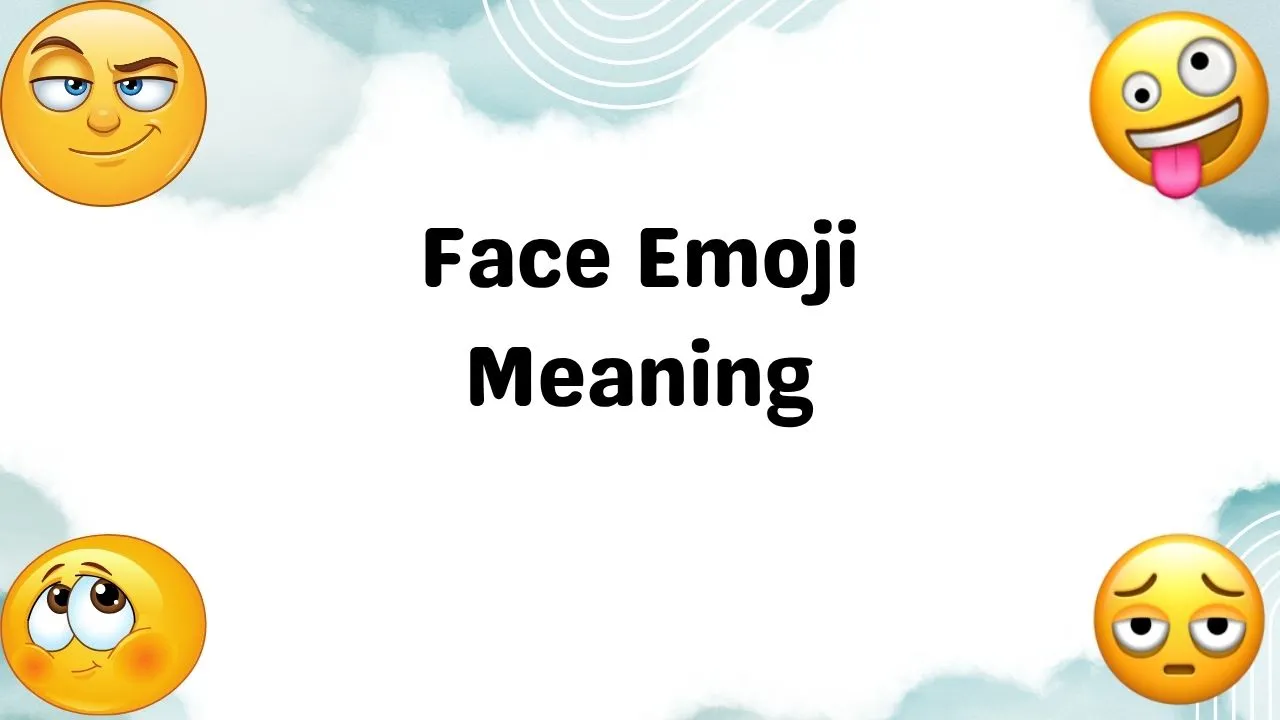
A simple face emoji can completely change the tone of a message, making it easier to express emotions that words sometimes cannot capture.
Face emojis are among the most commonly used symbols in texting and social media, representing feelings such as happiness, sadness, excitement, confusion, embarrassment, surprise, anger, or affection.
However, the meaning of a particular face emoji can vary depending on the situation, the relationship between the people chatting, and the other words or emojis used with it.
What Are Face Emojis and Why Do They Matter?
Face emojis are the set of Unicode characters that show simplified human facial expressions. Most are yellow circles with eyes, mouths, and sometimes extra details like tears, hearts, or sweat drops. They were designed to convey emotion quickly in text-based communication.
People rely on them because plain text can feel flat or easily misread. A short message like “okay” can sound neutral, annoyed, or cheerful depending on the face that follows it. Face emojis reduce that ambiguity. They also make conversations feel more human and less formal.
Different platforms (Apple, Google, Samsung, WhatsApp, etc.) draw the same emoji slightly differently, but the core meaning usually stays consistent. Context still matters, what feels playful with a close friend might feel unprofessional in a work email.
Common Face Emojis and Their Meanings
Here are the face emojis people use most often, grouped by the feeling they usually express.
Happy and Positive Faces
- 😀 Grinning Face – Big open-mouthed smile. Shows pure happiness or excitement. Often used when something good happens.
- 😃 Grinning Face with Big Eyes – Similar to the above but with wider eyes. Feels energetic and enthusiastic.
- 😄 Grinning Face with Smiling Eyes – Warm, genuine smile. Great for friendly, light-hearted messages.
- 😁 Beaming Face with Smiling Eyes – Strong positive energy, often used when someone is proud or really pleased.
- 😊 Smiling Face with Smiling Eyes – Soft, friendly smile. One of the most versatile and safe choices for everyday chats.
- 😇 Smiling Face with Halo – Innocent or angelic vibe. Sometimes used sarcastically when someone is pretending to be good.
- 🥰 Smiling Face with Hearts – Shows affection, love, or feeling loved. Common in romantic or close-friend conversations.
- 😍 Smiling Face with Heart-Eyes – Strong attraction, admiration, or love for something (a person, food, photo, etc.).
- 🤩 Star-Struck – Amazed and impressed. Used when something is exciting or impressive.
Laughing and Amused Faces
- 😂 Face with Tears of Joy – The classic “I’m laughing hard” emoji. Still one of the most used emojis worldwide.
- 🤣 Rolling on the Floor Laughing – Even stronger laughter. Signals something was extremely funny.
- 😆 Grinning Squinting Face – Happy laughter, often with a slightly mischievous feel.
- 😅 Grinning Face with Sweat – Nervous laughter or relief after a close call. Also used when something is awkward but funny.
Loving and Affectionate Faces
- 😘 Face Blowing a Kiss – Flirty or affectionate goodbye/hello. Common in romantic texts.
- 😗 Kissing Face – Softer, less intense version of a kiss.
- 😙 Kissing Face with Smiling Eyes – Friendly, warm kiss emoji.
- 😚 Kissing Face with Closed Eyes – More intimate or sincere kissing expression.
- ❤️ (often paired with faces) – While not a face itself, the red heart frequently appears next to face emojis to strengthen affection.
Surprised, Shocked, or Amazed Faces
- 😮 Face with Open Mouth – Surprise or mild shock.
- 😯 Hushed Face – Quieter surprise or speechlessness.
- 😲 Astonished Face – Stronger shock or disbelief.
- 😳 Flushed Face – Embarrassed, shy, or caught off-guard. Sometimes used when someone feels flattered or awkward.
- 🤯 Exploding Head – Mind blown. Used for something extremely surprising or impressive.
Sad, Worried, or Negative Faces
- 😢 Crying Face – Sadness or emotional tears.
- 😭 Loudly Crying Face – Stronger sadness, frustration, or overwhelming emotion.
- 😔 Pensive Face – Quiet sadness, disappointment, or deep thought.
- 😟 Worried Face – Concern or mild anxiety.
- 😕 Confused Face – Uncertainty or mild disappointment.
- 🙁 Slightly Frowning Face – Soft negative feeling.
- ☹️ Frowning Face – Clearer unhappiness.
- 😣 Persevering Face – Struggling or in discomfort.
- 😖 Confounded Face – Frustrated or overwhelmed.
- 😫 Tired Face – Exhaustion or being fed up.
- 😩 Weary Face – Stronger version of feeling drained or exasperated.
Angry or Annoyed Faces
- 😠 Angry Face – Clear anger or irritation.
- 😡 Pouting Face – Stronger anger, sometimes used for playful annoyance too.
- 🤬 Face with Symbols on Mouth – Extreme anger or swearing (the symbols replace the mouth).
- 😤 Face with Steam from Nose – Frustration, determination, or “I’m done.”
Playful, Silly, or Mischievous Faces
- 😜 Winking Face with Tongue – Playful, teasing, or joking.
- 😝 Squinting Face with Tongue – Goofy or silly mood.
- 😛 Face with Tongue – Light teasing.
- 😏 Smirking Face – Suggestive, smug, or knowing look. Can feel flirty or sarcastic.
- 😒 Unamused Face – Deadpan, unimpressed, or mildly annoyed.
- 🙄 Face with Rolling Eyes – Sarcasm or disbelief.
- 😬 Grimacing Face – Awkwardness, nervousness, or forced smile.
- 🤔 Thinking Face – Considering something, mild confusion, or “hmm.”
Other Useful Face Emojis
- 😴 Sleeping Face – Tiredness or boredom.
- 🥱 Yawning Face – Sleepiness or disinterest.
- 😷 Face with Medical Mask – Illness or, in some contexts, staying safe.
- 🤒 Face with Thermometer – Feeling sick.
- 🤕 Face with Head-Bandage – Injury or feeling rough.
- 🤢 Nauseated Face – Disgust or feeling sick to the stomach.
- 🤮 Face Vomiting – Strong disgust or “that was awful.”
- 🥵 Hot Face – Overheating, attraction, or embarrassment.
- 🥶 Cold Face – Freezing, or sometimes used for “I’m shocked/cold reaction.”
- 🥴 Woozy Face – Dizzy, drunk, or confused in a humorous way.
- 😵 Dizzy Face – Overwhelm or feeling knocked out.
- 🤠 Cowboy Hat Face – Fun, confident, or Western-themed humor.
- 🥳 Partying Face – Celebration and excitement.
- 😎 Smiling Face with Sunglasses – Cool, confident, or “I’ve got this.”
How Context Changes Face Emoji Meaningg
The same emoji can shift meaning depending on who you’re talking to and the conversation.
- With close friends, 😏 or 😜 often feel playful.
- In professional settings, those same faces can come across as unprofessional or flirtatious.
- 😂 after a serious message can soften it or make it seem like you’re not taking it seriously.
- 😊 is usually safe almost anywhere; it reads as friendly and polite.
- Cultural differences exist. Some regions use certain faces more heavily or interpret sarcasm differently.
When in doubt, match the other person’s style. If they use lots of emojis, you can too. If they keep messages plain, go lighter.
Tips for Using Face Emojis Effectively
- Don’t overdo it. One or two well-chosen faces usually work better than a long string.
- Pair them with clear words when the message is important. Emojis support tone; they shouldn’t replace clarity.
- Consider the platform. Some older systems or email clients still show emojis poorly.
- Be careful with sarcasm. 🙄 or 😏 can be misread if the other person doesn’t know your sense of humor.
- For sensitive topics (bad news, apologies, serious discussions), fewer or softer faces are usually better.
- Accessibility note: Some people use screen readers. Overusing emojis can make messages harder to follow.
Frequently Asked Questions (FAQs)
What does the 😂 face emoji mean?
It means someone is laughing hard, often to the point of tears. It’s one of the most popular ways to show something is funny.
What is the difference between 😊 and 😀?
😊 is a softer, warmer smile with closed smiling eyes. 😀 is a bigger, more open grin that feels more energetic or excited.
What does 😍 mean in texting?
It usually shows strong liking, attraction, or love toward a person, photo, food, or idea. Heart-eyes signal “I really like this.”
Is the 😏 emoji flirty?
It can be. Many people use it for a suggestive or knowing look. In other cases it simply means smug or sarcastic. Context decides.
What does 😅 usually mean?
Nervous laughter, relief, or laughing at an awkward situation. It’s the “haha… that was close / uncomfortable” face.
Can face emojis have different meanings on different phones?
The drawings vary slightly between Apple, Google, Samsung, and others, but the intended emotion stays largely the same. Major meaning shifts are rare.
Should I use face emojis at work?
In casual team chats, yes, especially friendly ones like 😊 or 👍-related faces. In formal emails or with clients, it’s usually safer to keep them minimal or skip them.
Conclusion
Face emojis give digital messages the emotional color that plain text often lacks. Once you know the common meanings, happy grins, laughing tears, heart eyes, worried frowns, playful smirks, you can read conversations more accurately and express yourself with less risk of being misunderstood.
The key is matching the emoji to the moment and the relationship. A well-chosen face makes your message clearer and more human. Start with the ones you see most often, pay attention to how others use them, and you’ll quickly feel more confident.

I am Ethan Carter, a passionate writer dedicated to creating informative, engaging, and valuable content for readers around the world. I focus on delivering well-researched articles that provide clear insights, practical tips, and helpful solutions. With a strong interest in exploring new ideas and sharing knowledge, I aim to make every piece of content easy to understand and useful for my audience.