Losing weight can be an important step toward improving your health, fitness, and confidence. However, many people worry about one common problem during their weight-loss journey: loose or sagging skin. After losing a significant amount of body fat, you may notice extra skin around your stomach, arms, thighs, neck, or other areas.
This concern often leads people to ask: How to avoid loose skin when losing weight?
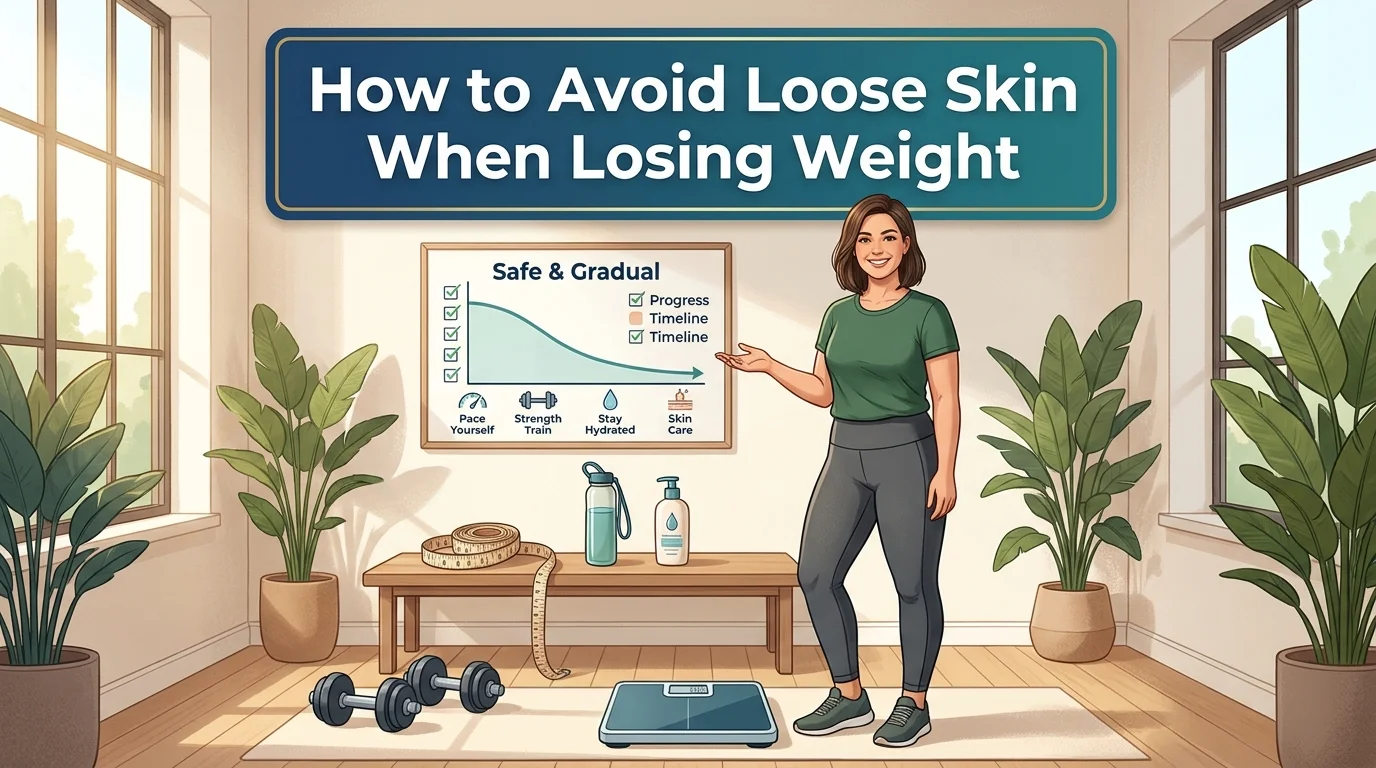
The good news is that you can take several steps to support your skin health, preserve muscle, and reduce the appearance of loose skin while losing weight. Eating enough protein, following a balanced diet, performing strength-training exercises, staying hydrated, and maintaining a consistent skincare routine can all contribute to better results.
However, it is important to understand that loose skin cannot always be prevented. Your age, genetics, starting weight, amount of weight lost, and how long your skin has remained stretched can influence its ability to return toward its original shape.
In this guide, you will discover 15 practical tips to prevent loose skin during weight loss, learn which foods support healthy skin, explore useful exercises, and understand what happens to your skin after losing 20, 50, or even 100 pounds.
What Causes Loose Skin After Weight Loss?
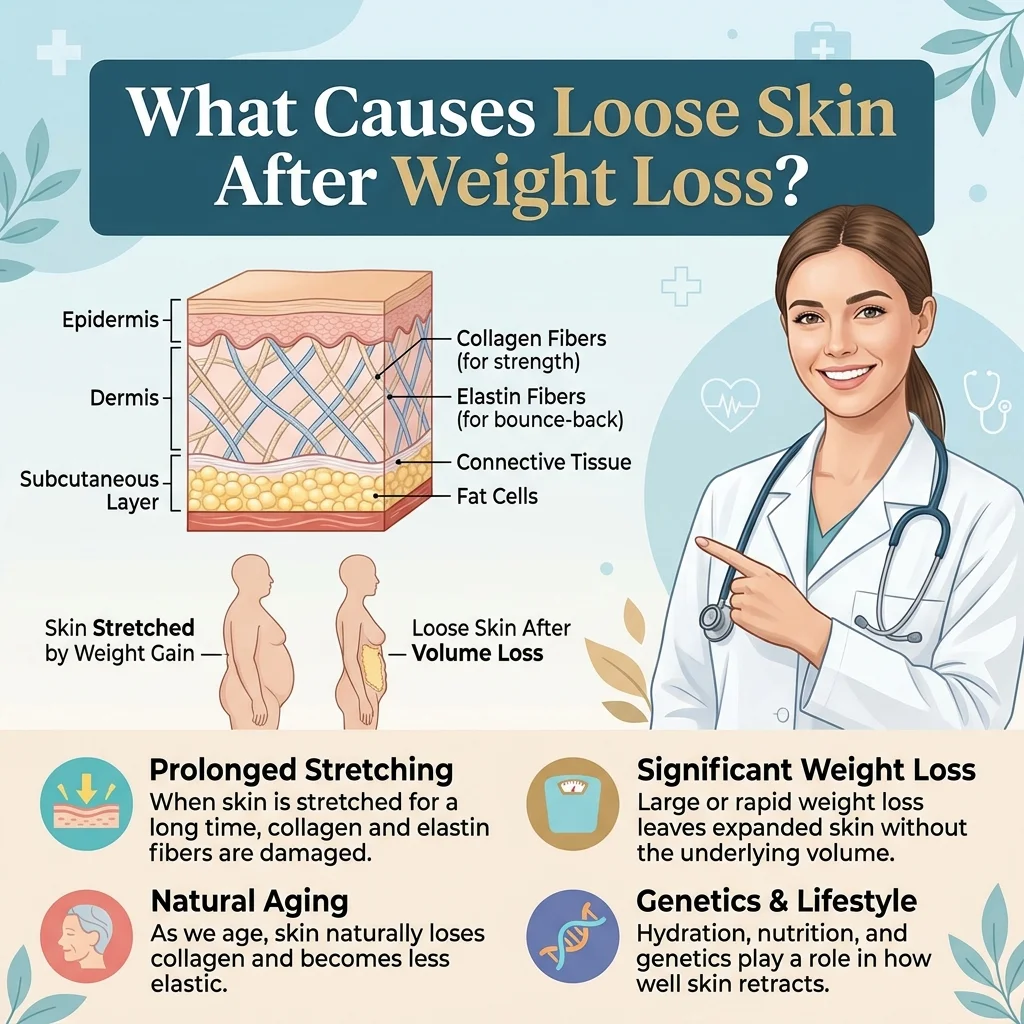
Before learning how to avoid loose skin when losing weight, it helps to understand why your skin becomes loose in the first place.
Your skin is a flexible organ that contains collagen and elastin. Collagen provides structural support, while elastin allows your skin to stretch and return toward its original shape.
When you gain weight, the skin stretches to accommodate additional body fat. If you remain heavier person for several years, the collagen and elastin fibers may become damaged or lose some of their natural elasticity.
When you lose weight, the fat underneath your skin decreases. However, your skin may not shrink at the same rate. This can leave extra or sagging skin around different parts of your body.
According to medical guidance from the NHS, significant weight loss can leave excess skin around the stomach, hips, breasts, arms, and legs.
Several factors influence how much loose skin you may experience.
1. Amount of Weight Lost
The amount of weight you lose can influence how much extra skin remains.
For example, someone who loses 15 pounds may experience little noticeable skin looseness, while someone who loses 100 pounds may develop more significant folds of excess skin.
However, there is no specific weight-loss amount that guarantees loose skin.
2. Age and Skin Elasticity
Age is another important factor.
As people grow older, their bodies naturally produce less collagen and elastin. This can make the skin less flexible and reduce its ability to return to its original shape after stretching.
3. Genetics
Genetics influence your natural skin structure, collagen production, and elasticity.
Two people can lose exactly the same amount of weight but experience very different skin changes because their bodies respond differently.
4. How Long You Have Been heavier person
If your skin has remained stretched for many years, it may have more difficulty returning to its previous shape.
Long-term stretching can affect the skin’s structural proteins and reduce its natural elasticity.
5. Lifestyle Habits
Smoking, excessive sun exposure, poor nutrition, and inadequate hydration can negatively affect overall skin health.
These factors may contribute to skin aging and make it harder to maintain healthy-looking skin.
Understanding these causes can help you choose a realistic and healthy weight-loss strategy.
15 Effective Ways to Avoid Loose Skin When Losing Weight
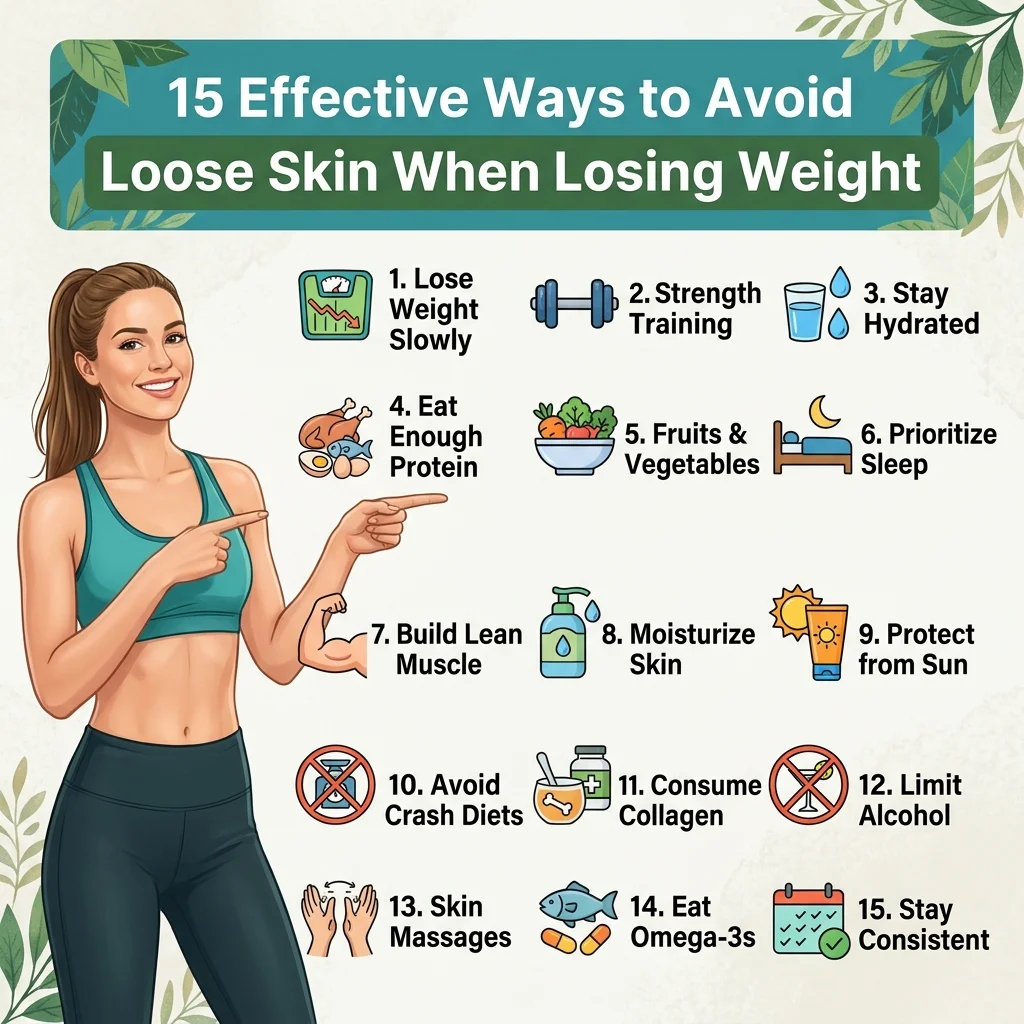
If you want to know how to lose weight without loose skin, focus on habits that support healthy skin and preserve lean muscle.
The following strategies can help minimize the appearance of sagging skin while improving your overall body composition.
1. Lose Weight Gradually
One of the most important parts of a healthy weight-loss plan is avoiding extreme dieting and unnecessarily rapid weight loss.
When you lose a significant amount of weight in a short period, your body experiences major changes. A gradual approach makes it easier to maintain muscle, meet your nutritional needs, and establish sustainable habits.
The CDC explains that people who lose approximately 1 to 2 pounds per week are more likely to maintain their weight loss than those who lose weight more quickly. However, this rate is a general guideline, not a guarantee against loose skin. https://www.cdc.gov/healthy-weight-growth/losing-weight/
To support gradual weight loss:
- Eat balanced meals throughout the day.
- Avoid extreme calorie restrictions.
- Include protein in your meals.
- Exercise regularly.
- Get enough sleep.
- Follow a realistic weight-loss plan.
Remember that losing weight slowly does not guarantee tight skin. The goal is to protect your overall health and preserve muscle while your body changes.
2. Include Strength Training in Your Weekly Routine
Strength training is one of the most useful ways to improve body composition during weight loss.
When you lose body fat, you may also lose muscle, especially if you consume too few calories or do not perform resistance exercises.
Losing muscle can make your arms, legs, and stomach appear less firm.
Strength training helps preserve and develop lean muscle underneath your skin. This can improve body contours and make some areas look more defined.
Some effective strength-training exercises include:
- Squats.
- Push-ups.
- Lunges.
- Dumbbell rows.
- Shoulder presses.
- Glute bridges.
- Planks.
- Resistance-band exercises.
Beginners can start with two strength-training sessions per week and gradually increase their activity as their fitness improves.
You do not need expensive gym equipment. Bodyweight exercises and resistance bands can provide a useful starting point.
Important: Strength training cannot directly remove excess skin. It can improve muscle definition and body composition, but large folds of loose skin may require medical treatment.
3. Eat Enough Protein Every Day
Protein is an essential nutrient for muscle maintenance, tissue repair, and normal body functions.
If you are wondering how to maintain muscle while losing weight, eating sufficient protein should be part of your daily routine.
Protein provides amino acids that your body uses to build and repair tissues. Some of these amino acids are also involved in producing collagen and other structural proteins.
Excellent protein-rich foods include:
- Eggs.
- Chicken breast.
- Fish.
- Lean meat.
- Greek yogurt.
- Milk.
- Lentils.
- Chickpeas.
- Beans.
- Tofu.
- Nuts and seeds.
Try to include a protein source in your main meals.
For example, you could eat eggs at breakfast, chicken or lentils at lunch, and fish or beans at dinner.
Your protein requirements depend on your body weight, activity level, age, and health conditions. People with kidney disease should discuss their protein intake with a healthcare professional.
Research and clinical guidance support combining adequate protein with resistance training to help preserve lean muscle during weight reduction.
4. Stay Properly Hydrated
Water supports several important functions in your body, including temperature regulation, digestion, and normal skin function.
Dehydration can make your skin appear dry and less supple. Maintaining adequate hydration helps support normal skin health.
Here are some simple ways to stay hydrated:
- Drink water regularly throughout the day.
- Keep a reusable water bottle nearby.
- Eat water-rich foods such as cucumbers and watermelon.
- Drink water before and after exercise.
- Increase fluid intake when you sweat more.
- Pay attention to thirst and signs of dehydration.
Your hydration needs depend on your activity level, climate, diet, and health.
Drinking extra water cannot remove significant excess skin or reverse years of stretching. Focus on meeting your body’s normal hydration needs rather than forcing yourself to drink excessive amounts.
5. Eat Foods That Support Skin Elasticity
A balanced diet provides vitamins, minerals, healthy fats, and antioxidants that support normal skin function.
If you are looking for foods that help skin elasticity, include a variety of nutrient-rich ingredients in your daily meals.
Vitamin C-rich foods
Vitamin C is necessary for normal collagen production.
Good sources include:
- Oranges.
- Lemons.
- Strawberries.
- Kiwi.
- Bell peppers.
- Broccoli.
Vitamin A sources
Vitamin A supports normal skin-cell function.
Examples include:
- Carrots.
- Sweet potatoes.
- Spinach.
- Pumpkin.
- Eggs.
Healthy fats
Healthy fats support normal cell function and help your body absorb certain vitamins.
Good choices include:
- Avocados.
- Almonds.
- Walnuts.
- Olive oil.
- Chia seeds.
- Fatty fish.
Zinc-rich foods
Zinc supports normal tissue repair and immune function.
Examples include:
- Meat.
- Seafood.
- Pumpkin seeds.
- Beans.
- Lentils.
Eating a variety of foods is generally more beneficial than depending on a single ingredient or supplement.
6. Avoid Crash Diets and Extreme Calorie Restrictions
Crash diets may promise quick results, but they can make it difficult to maintain a healthy and balanced diet.
Extremely restrictive eating plans may not provide enough protein, vitamins, minerals, and other essential nutrients.
They can also make muscle loss more likely during weight reduction.
Instead of following extreme diets, create a balanced eating plan containing:
- Lean protein.
- Whole grains.
- Fresh vegetables.
- Fruits.
- Healthy fats.
- Appropriate portions.
Avoid eliminating entire food groups without a medical reason.
If you are considering a very low-calorie diet, consult a qualified healthcare professional or registered dietitian.
7. Protect Your Skin From Sun Damage
Excessive sun exposure can damage collagen and elastin fibers over time.
These proteins contribute to skin structure and elasticity, making sun protection an important part of maintaining healthy skin.
Follow these simple habits:
- Apply broad-spectrum sunscreen with SPF 30 or higher.
- Wear protective clothing outdoors.
- Use sunglasses and a hat.
- Seek shade during strong sunlight.
- Avoid excessive tanning.
- Reapply sunscreen as directed.
Sun protection cannot directly prevent loose skin after weight loss, but it helps protect your skin from additional UV damage.
8. Maintain a Consistent Skincare Routine
A healthy skincare routine can help your skin remain hydrated, comfortable, and protected while your body changes.
If you are searching for natural ways to tighten loose skin, it is important to distinguish between improving skin hydration and removing excess skin.
Consider these simple skincare habits.
Cleanse gently: Use a mild cleanser to remove dirt, sweat, and excess oil.
Moisturize regularly: Apply a suitable moisturizer after bathing to help maintain skin hydration.
Avoid harsh products: Excessive exfoliation and irritating skincare ingredients can damage your skin barrier.
Protect exposed skin: Use sunscreen when spending time outdoors.
Moisturizers containing glycerin or hyaluronic acid can improve skin hydration and temporarily make the surface look smoother.
However, the American Academy of Dermatology explains that skin-firming creams generally produce subtle results at best. Creams cannot lift or remove significant excess skin.
9. Get Seven to Nine Hours of Sleep
Sleep plays an important role in recovery, appetite regulation, and overall health.
When you consistently get insufficient sleep, it may become harder to manage hunger, maintain an exercise routine, and recover from physical activity.
Most adults should aim for approximately seven to nine hours of sleep each night.
You can improve your sleep habits by:
- Going to bed at a consistent time.
- Limiting caffeine late in the day.
- Avoiding heavy meals immediately before bedtime.
- Keeping your bedroom comfortable.
- Reducing screen use before sleeping.
- Exercising regularly.
Good sleep habits support your overall weight-management plan and help your body recover.
10. Avoid Smoking
Smoking can negatively affect skin health by damaging collagen, reducing healthy blood flow, and accelerating visible skin aging.
These effects can make it harder for your skin to maintain its natural structure and elasticity.
If you smoke, quitting can provide several health benefits beyond your appearance.
Avoiding tobacco products and secondhand smoke is a positive step toward supporting healthier skin.
11. Combine Cardiovascular Exercise With Resistance Training
Cardiovascular exercise supports weight management and improves overall fitness.
Activities such as walking, cycling, swimming, and jogging help increase energy expenditure and support heart health.
However, cardio alone may not provide enough stimulus to preserve muscle during weight loss.
For better results, combine aerobic activity with resistance training.
Useful cardiovascular activities include:
- Brisk walking.
- Cycling.
- Swimming.
- Dancing.
- Jogging.
- Using an elliptical machine.
The CDC recommends that adults aim for at least 150 minutes of moderate-intensity aerobic activity per week, along with muscle-strengthening activities on at least two days. https://www.cdc.gov/healthy-weight-growth/physical-activity/
Choose activities you enjoy so you can maintain your routine over time.
12. Maintain a Stable Weight After Reaching Your Goal
Repeatedly gaining and losing significant amounts of weight can lead to repeated stretching and changes in body size.
Although normal weight fluctuations are common, maintaining a relatively stable weight after reaching your goal can support long-term health.
You can develop sustainable habits by:
- Following balanced eating patterns.
- Exercising regularly.
- Monitoring your progress without becoming obsessed with the scale.
- Getting enough sleep.
- Avoiding extreme diets.
- Maintaining a realistic daily routine.
Remember that weight maintenance is an important part of long-term weight management.
13. Use Resistance Bands and Bodyweight Exercises
You do not need an expensive gym membership to build muscle.
Resistance bands and bodyweight exercises can strengthen different muscle groups and help improve your body’s overall appearance.
Some beginner-friendly exercises include:
Squats: Strengthen your thighs, hips, and glutes.
Wall push-ups: Work your chest, shoulders, and arms.
Glute bridges: Target your glutes and supporting muscles.
Planks: Strengthen your core.
Resistance-band rows: Work your upper back and arms.
Start with exercises that match your fitness level. Increase resistance or repetitions gradually as your strength improves.
14. Give Your Skin Time to Adjust
One common mistake people make during weight loss is expecting their skin to become firm immediately after reaching their target weight.
Skin changes can take time, and some improvement may occur after your weight stabilizes.
However, the amount of improvement varies from person to person.
Factors such as age, genetics, previous weight, and the amount of excess skin influence the outcome.
Be patient with your body and avoid judging your progress based on short-term changes.
If you have lost a substantial amount of weight, discuss your concerns with a dermatologist or qualified plastic surgeon.
15. Consider Professional Treatments for Significant Loose Skin
Sometimes, healthy lifestyle habits are not enough to prevent or reduce loose skin.
If you have lost a substantial amount of weight and have large folds of excess skin, a healthcare professional can explain available treatment options.
Depending on your situation, these may include:
- Radiofrequency-based skin treatments.
- Ultrasound-based procedures.
- Other dermatologist-performed skin-tightening treatments.
- Surgical body contouring.
- Abdominoplasty, commonly known as a tummy tuck.
- Arm or thigh lift procedures.
Non-surgical procedures may provide modest improvements in selected cases, particularly when skin looseness is mild.
Surgery may be considered for people with significant excess skin that causes physical discomfort, repeated irritation, or hygiene difficulties.
Surgical procedures have potential risks, costs, and recovery requirements. Always consult a qualified medical professional before choosing a treatment.
How to Prevent Loose Skin on the Stomach, Arms, and Thighs
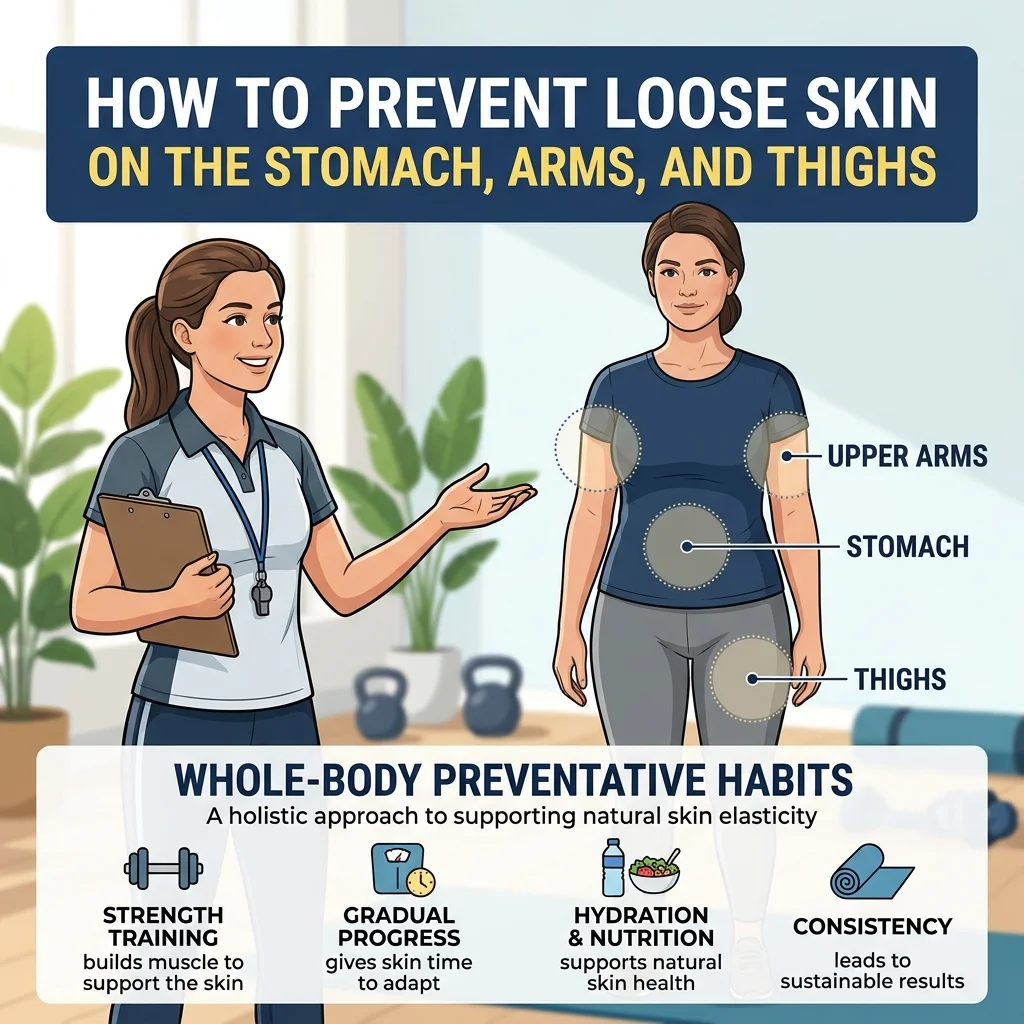
Loose skin does not affect everyone in the same way. Some people notice extra skin mainly around their abdomen, while others experience changes in their upper arms or thighs.
Here is what you should know about the most common areas.
How to Prevent Loose Stomach Skin During Weight Loss
The stomach is one of the most common areas where loose skin develops after significant weight loss.
When abdominal fat decreases, the skin may remain stretched, particularly if you previously carried excess weight for several years.
To support your abdominal muscles and body composition:
- Perform planks and other core exercises.
- Include squats and resistance training.
- Eat sufficient protein.
- Follow a gradual weight-loss plan.
- Maintain balanced nutrition.
Core exercises strengthen your abdominal muscles, but they cannot directly remove excess skin.
How to Keep Arms From Getting Loose After Weight Loss
Some people develop loose skin around their upper arms after losing weight.
Strengthening your arm and upper-body muscles may improve their appearance.
Useful exercises include:
- Wall push-ups.
- Dumbbell curls.
- Triceps extensions.
- Shoulder presses.
- Resistance-band rows.
Perform these exercises consistently while allowing your muscles enough time to recover.
How to Reduce the Appearance of Loose Skin on Thighs
Loose skin around the thighs can become noticeable after significant weight loss.
Exercises that strengthen the lower body can help improve muscle definition.
Try:
- Squats.
- Lunges.
- Glute bridges.
- Step-ups.
- Resistance-band leg exercises.
Remember that these exercises improve muscle strength and body composition, not the amount of excess skin itself.
A Practical Seven-Day Exercise Schedule for Weight Loss
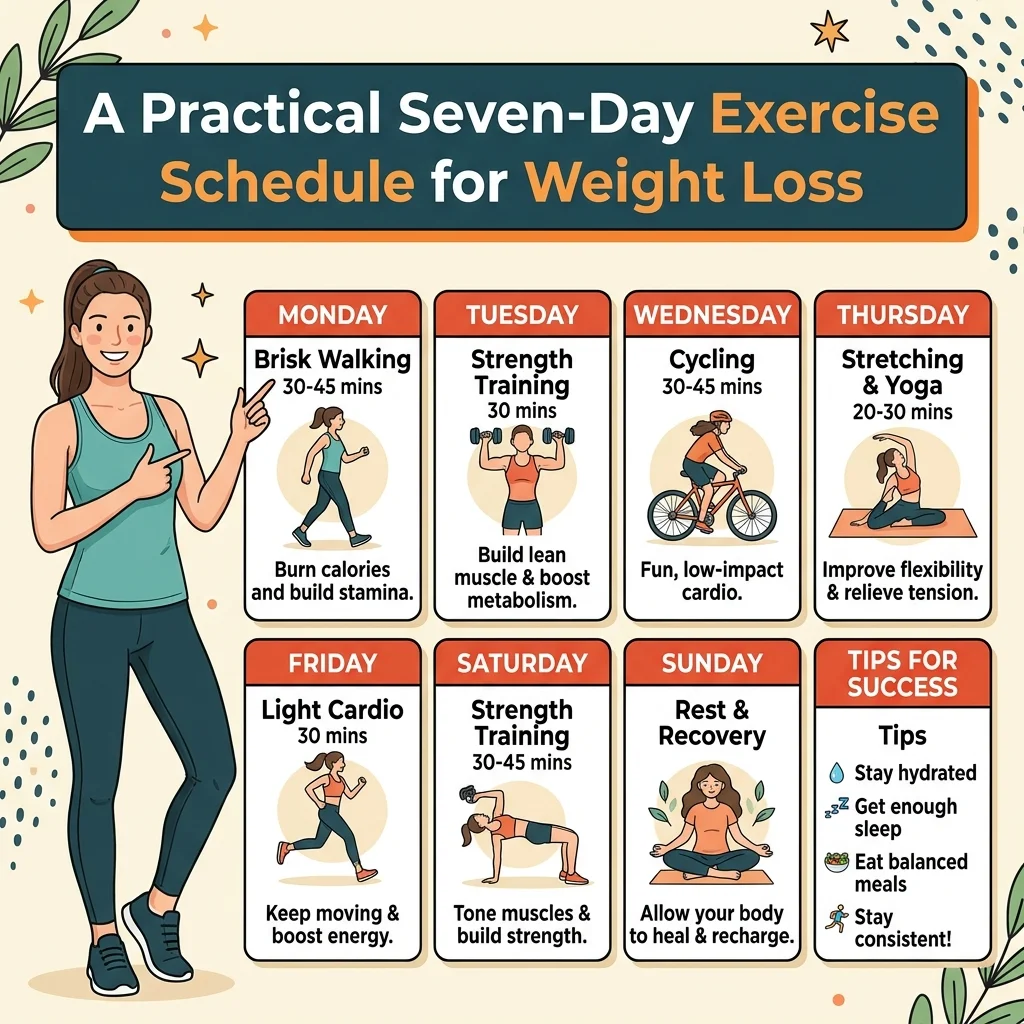
A consistent workout routine can help you maintain muscle while reducing body fat.
The following beginner-friendly schedule combines cardiovascular activity, resistance training, and recovery.
| Day | Exercise | Suggested duration |
| Monday | Full-body strength training | 25–30 minutes |
| Tuesday | Brisk walking | 30 minutes |
| Wednesday | Walking and gentle mobility exercises | 30 minutes |
| Thursday | Full-body strength training | 25–30 minutes |
| Friday | Cycling or brisk walking | 30 minutes |
| Saturday | Swimming, walking, or dancing | 30 minutes |
| Sunday | Rest and gentle stretching | 10–15 minutes |
Beginner Strength-Training Workout
On Monday and Thursday, you can start with these exercises:
| Exercise | Beginner target |
| Squats | 2 sets of 10 |
| Wall push-ups | 2 sets of 10 |
| Glute bridges | 2 sets of 12 |
| Resistance-band rows | 2 sets of 10 |
| Planks | 2 holds of 15–20 seconds |
Adjust the number of repetitions to your fitness level and increase gradually.
If you have an existing medical condition, joint problems, or mobility limitations, ask a healthcare professional about suitable exercises.
This schedule is a starting example, not a requirement for everyone. The goal is to build a routine that you can maintain safely.
Best Foods to Support Healthy Skin During Weight Loss

Your diet can influence how well your body maintains muscle and supports normal skin function.
If you want to know the best diet to prevent loose skin while losing weight, focus on eating a variety of nutritious foods rather than following restrictive meal plans.
| Food | Important nutrients | Role in a balanced diet |
| Eggs | Protein, vitamin A | Supports tissue maintenance |
| Salmon | Protein, omega-3 fats | Supports overall nutrition |
| Oranges | Vitamin C | Supports collagen production |
| Spinach | Vitamin A, vitamin C | Provides essential nutrients |
| Almonds | Vitamin E, healthy fats | Supports balanced nutrition |
| Greek yogurt | Protein | Helps maintain muscle |
| Lentils | Protein, iron | Supports nutritional needs |
| Avocados | Healthy fats, vitamin E | Supports normal cell function |
| Carrots | Beta-carotene | Provides vitamin A precursors |
| Pumpkin seeds | Zinc, healthy fats | Supports normal tissue repair |
Example of a Balanced Daily Meal Plan
Here is a simple meal plan that includes protein, vegetables, fruits, and healthy fats.
Breakfast
- Two eggs.
- Whole-grain toast.
- One orange.
- Water or unsweetened tea.
Morning snack
- Greek yogurt.
- A small serving of almonds.
Lunch
- Grilled chicken or lentils.
- Brown rice or whole-wheat roti.
- Mixed vegetable salad.
Afternoon snack
- One apple or another seasonal fruit.
- A small handful of nuts.
Dinner
- Grilled fish, chicken, or beans.
- Cooked vegetables.
- A moderate serving of potatoes or whole grains.
This is a general example, not an individualized diet. Portion sizes and nutritional requirements should be adjusted according to your body, activity level, health, and weight-loss goals.
How to Avoid Loose Skin After Losing 50 or 100 Pounds
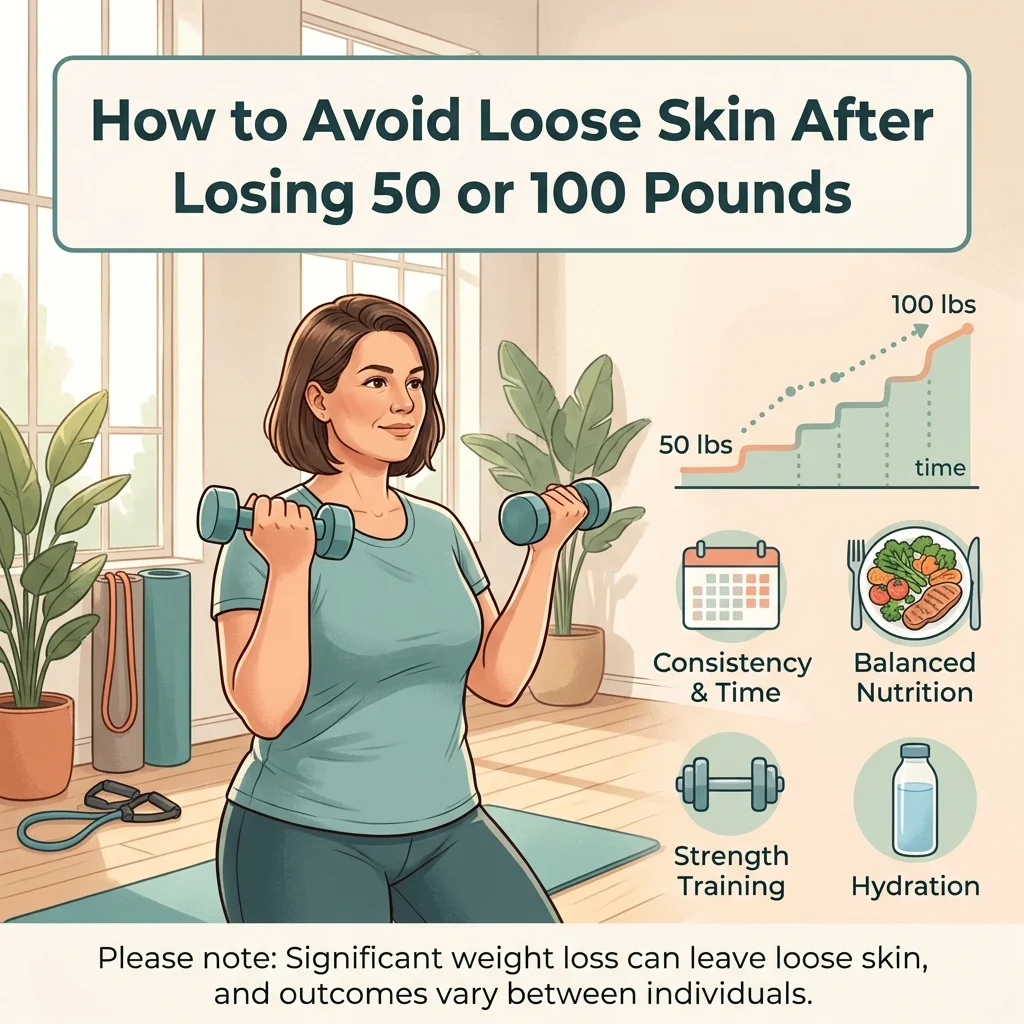
The amount of weight you lose can influence how much loose skin develops.
People who lose 50, 70, or 100 pounds may experience more noticeable excess skin than people who lose smaller amounts.
However, there is no exact amount of weight loss that guarantees loose skin.
How to Lose 50 Pounds Without Getting Loose Skin
Losing 50 pounds is a significant achievement, but it may also increase the possibility of developing excess skin.
If your goal is to learn how to prevent loose skin after losing 50 pounds, focus on:
- Losing weight at a sustainable pace.
- Including protein in your meals.
- Performing strength training regularly.
- Eating fruits and vegetables.
- Staying properly hydrated.
- Protecting your skin from sun damage.
- Avoiding smoking.
- Maintaining a consistent sleep schedule.
These habits can support muscle maintenance and skin health, although they cannot guarantee that your skin will return to its original shape.
How to Avoid Loose Skin After Losing 100 Pounds
Losing 100 pounds can produce major changes in body size.
However, people who lose this much weight may have significant excess skin, particularly around the stomach, arms, thighs, and chest.
Strength training, balanced nutrition, sufficient protein, and gradual weight loss can help support muscle and overall health.
Nevertheless, lifestyle changes cannot guarantee that your skin will tighten completely after major weight loss.
If you experience significant excess skin, consult a qualified medical professional about possible treatment options.
How Does Age Affect Loose Skin During Weight Loss?
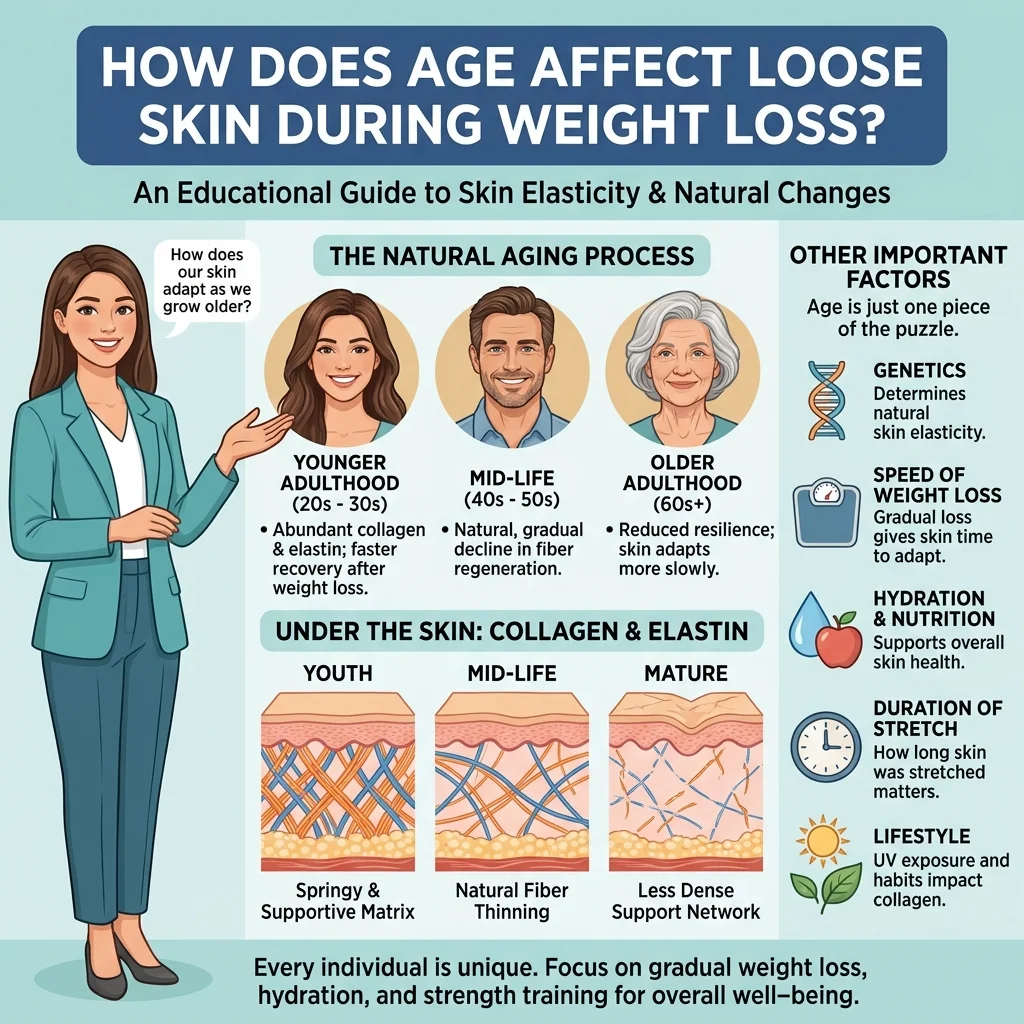
Age is an important factor when considering skin elasticity.
Younger skin generally contains more collagen and elastin, allowing it to stretch and recover more effectively.
As people age, natural collagen production decreases, and the skin gradually becomes thinner and less elastic.
Loose Skin After Weight Loss in Your 30s
Many people in their 30s still have relatively good skin elasticity.
However, genetics, previous weight history, sun exposure, and the amount of weight lost can influence the outcome.
Loose Skin After Weight Loss in Your 40s
During your 40s, natural changes in collagen production may become more noticeable.
Maintaining muscle through resistance training and following a balanced diet can support healthier body composition.
Loose Skin After Weight Loss in Your 50s and Beyond
Older adults may experience more noticeable skin looseness because of reduced natural elasticity.
A healthy weight-loss strategy should focus on preserving muscle, meeting nutritional needs, and maintaining physical function.
Age does not mean that weight loss is impossible or unhealthy. It simply means that realistic expectations are important.
Loose Skin vs. Fat: How to Tell the Difference
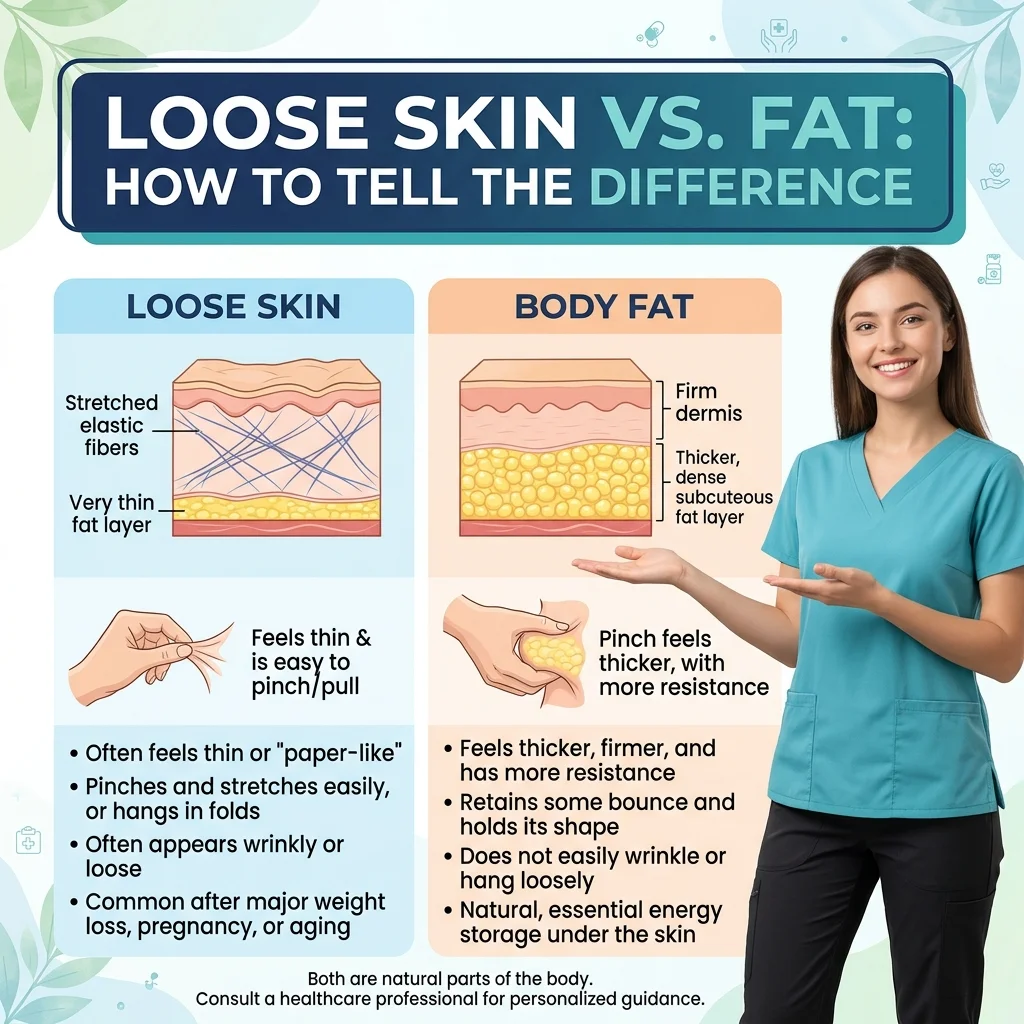
Sometimes, people mistake remaining body fat for loose skin.
Understanding the difference can help you choose the right approach.
Loose skin generally appears as thin, soft, or wrinkled folds that may hang away from the body.
Body fat usually feels thicker and has more volume underneath the skin.
However, the two can exist together, and it may be difficult to distinguish them without a professional assessment.
If you are unsure whether you have excess skin or remaining fat, a qualified healthcare professional can help evaluate your body composition.
Avoid extreme dieting in an attempt to remove what you believe is loose skin. Further weight loss is not always appropriate or helpful.
Can Loose Skin Tighten Naturally After Weight Loss?
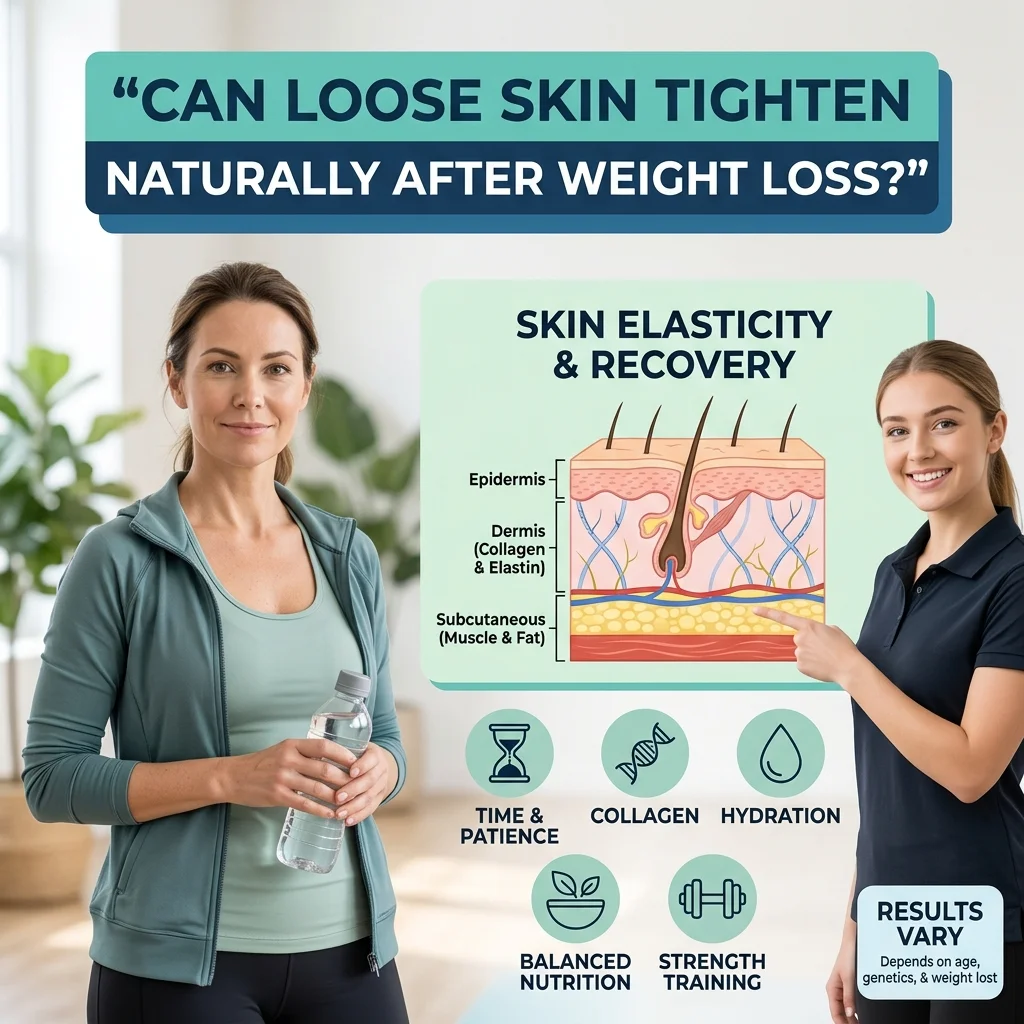
In some cases, loose skin may improve naturally over time.
Your skin has some ability to adapt to changes in body size, but the amount of improvement depends on how much it has stretched and how much elasticity remains.
Mild skin looseness may become less noticeable after your weight stabilizes.
Building muscle can also improve the appearance of certain areas by adding support underneath the skin.
However, significant excess skin is unlikely to disappear completely through exercise, hydration, or skincare products.
It is important to maintain realistic expectations and understand that natural improvement varies between individuals.
Do Collagen Supplements Help Prevent Loose Skin?
Collagen supplements are frequently marketed as a way to improve skin elasticity and firmness.
Some studies suggest that oral collagen supplements may improve certain skin measurements, such as hydration and elasticity.
However, there is limited evidence showing that collagen supplements can prevent or eliminate loose skin after substantial weight loss.
If you are considering collagen supplements, discuss their suitability with a healthcare professional.
A balanced diet, adequate protein, and regular exercise should remain the foundation of your weight-loss plan.
Common Mistakes to Avoid When Trying to Prevent Loose Skin
Many people make mistakes while trying to lose weight and maintain firm-looking skin.
Avoiding these habits can help you follow a healthier approach.
1. Losing Weight Too Quickly
Trying to lose a large amount of weight in a short period can increase the risk of muscle loss and make your plan difficult to maintain.
Choose a sustainable approach instead.
2. Following Extremely Restrictive Diets
Eating too little can make it difficult to obtain essential nutrients and preserve muscle.
Focus on balanced meals rather than eliminating important food groups without medical guidance.
3. Skipping Strength Training
Relying only on cardio may not provide enough stimulus to maintain muscle.
Include resistance exercises in your weekly routine.
4. Depending on Skin-Tightening Creams
Some skincare products improve hydration and temporarily make skin feel smoother.
However, they cannot remove significant excess skin.
Avoid products that promise unrealistic results.
5. Taking Supplements Without Guidance
Supplements are not a replacement for balanced nutrition.
Before using collagen, vitamins, or other products marketed for skin health, discuss their benefits and potential risks with a qualified professional.
6. Expecting Immediate Results
Your skin may take time to adjust after weight loss, and some changes may be permanent.
Give yourself time and focus on your health rather than expecting immediate cosmetic results.
When Should You See a Doctor About Loose Skin?
Loose skin is not always just a cosmetic concern.
Large folds of excess skin may cause physical discomfort, rubbing, sweating, irritation, and difficulties with hygiene.
You should consider seeking medical advice if you experience:
- Persistent irritation underneath skin folds.
- Repeated skin infections.
- Pain or discomfort during physical activity.
- Difficulty maintaining skin hygiene.
- Significant excess skin after major weight loss.
A dermatologist or qualified plastic surgeon can evaluate your situation and explain available treatments.
For people who have undergone weight-loss surgery, it may also be helpful to discuss skin changes with their bariatric healthcare team.
Frequently Asked Questions About How to Avoid Loose Skin When Losing Weight
1. How can I lose weight without getting loose skin?
You can reduce the likelihood or appearance of loose skin by following a sustainable weight-loss plan, performing strength training, eating enough protein, staying hydrated, and maintaining balanced nutrition. However, no method can guarantee that loose skin will not develop.
2. Does losing weight slowly prevent loose skin?
Gradual weight loss can make it easier to preserve muscle and maintain good nutrition. However, there is not enough evidence to guarantee that losing weight slowly will prevent loose skin. Age, genetics, and the amount of weight lost also matter.
3. What are the best exercises to prevent loose skin?
Squats, push-ups, lunges, resistance-band rows, planks, and other strength-training exercises can help build muscle. They may improve body contours but cannot directly remove excess skin.
4. Does drinking water help prevent loose skin?
Drinking enough water supports normal skin hydration and overall health. However, drinking additional water beyond your body’s needs will not tighten significant loose skin.
5. Can protein help tighten skin after weight loss?
Protein supports muscle maintenance, tissue repair, and normal collagen production. Eating sufficient protein during weight loss is beneficial, but it cannot guarantee that stretched skin will return to its original shape.
6. Will my loose skin disappear after losing 20 pounds?
Not everyone develops loose skin after losing 20 pounds. Your results depend on your age, genetics, starting weight, and skin elasticity. Some people may experience little or no noticeable skin looseness after moderate weight loss.
7. Can a 50-year-old lose weight without loose skin?
Yes, but age can influence skin elasticity. People in their 50s may have less natural collagen and elastin than younger adults. Gradual weight loss, strength training, and good nutrition support healthier body composition, although some loose skin may still occur.
8. Do collagen supplements prevent loose skin?
Collagen supplements may provide modest improvements in certain skin characteristics, according to some research. However, there is not enough evidence to establish that they prevent loose skin caused by significant weight loss.
9. How long does skin take to tighten after weight loss?
There is no fixed timeline. Some improvement may occur over several months after your weight stabilizes, but results vary. Significant excess skin may not tighten naturally.
10. Can exercise remove excess skin from the stomach?
Exercise can strengthen abdominal muscles and improve the appearance of your midsection. However, it cannot remove large folds of excess skin. Surgical procedures may be an option for people with significant abdominal skin laxity.
11. How can I prevent loose stomach skin during weight loss?
Combine a sustainable weight-loss plan, sufficient protein, strength training, and balanced nutrition. Exercises such as planks can strengthen abdominal muscles, although they cannot directly remove excess stomach skin.
12. What are the natural ways to tighten loose skin?
Maintaining muscle, eating balanced meals, getting enough protein, staying hydrated, avoiding smoking, and protecting your skin from sun damage can support overall skin health. However, natural methods cannot guarantee significant skin tightening.
13. Does building muscle fill out loose skin?
Building muscle can improve the appearance of some areas by adding volume underneath the skin. However, it cannot completely fill or remove large amounts of excess skin.
14. Is loose skin permanent after major weight loss?
Significant loose skin may remain even after your weight stabilizes. Some people experience modest natural improvement, while others may need medical or surgical treatment to remove excess skin.
Final Thoughts
Learning how to avoid loose skin when losing weight can help you make healthier decisions throughout your fitness journey. Although loose skin is sometimes unavoidable, you can take practical steps to support your skin and maintain muscle as your body changes. Focus on gradual, sustainable weight loss, regular strength training, sufficient protein, balanced nutrition, proper hydration, sun protection, and consistent skincare habits.
Whether you want to lose 20, 50, or 100 pounds, remember that your health matters more than achieving a perfectly firm appearance. Be patient, maintain realistic expectations, and choose habits that you can follow for the long term. If you experience significant excess skin or related discomfort, speak with a qualified healthcare professional about appropriate treatment options. Your goal should be to build a healthier, stronger, and more confident body rather than chasing unrealistic promises of perfect skin.

I am David Wilson, a passionate writer dedicated to creating informative, engaging, and valuable content for readers. I enjoy researching different topics and sharing well-crafted articles that provide helpful insights, practical knowledge, and meaningful information. I am committed to maintaining high-quality writing standards with a focus on accuracy, clarity, and reader satisfaction.